
Drought Resistant Grasses for Lawns: Best Picks by US Region
Your lawn looked great in May. By late July it’s crunchy and straw-colored, and the water bill keeps climbing anyway. Add a city watering ban on top of that, and “just water more” stops being an option.
Here’s the thing: the problem usually isn’t how you water. It’s what you planted. According to the EPA’s WaterSense program, outdoor watering makes up more than 30 percent of household water use on average, and as much as 60 percent in arid regions. A thirsty grass in the wrong climate turns that number into a monthly headache.
The fix is planting drought resistant grasses for lawns that match your region. In the South and Southwest, Bermudagrass and zoysiagrass lead the pack. On the Great Plains, buffalograss gets by on less water than almost any other lawn grass. In the North and the transition zone, tall fescue and Kentucky bluegrass blends hold up best.
But one question decides which of these is right for you. Do you need a lawn that stays green in August, or one that can turn brown, survive weeks without water, and bounce back when the rain returns?
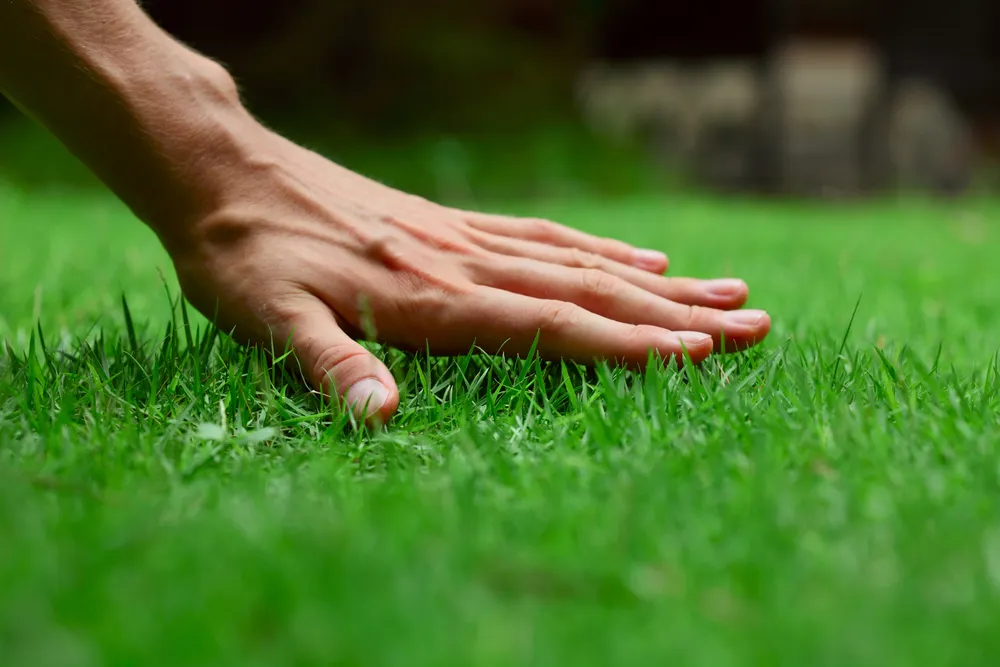
How Drought Resistant Grasses for Lawns Survive Dry Summers
Every drought resistant grass handles a dry spell in one of two ways. It either keeps pulling water and stays green, or it shuts down, turns brown, and waits for rain. Neither strategy is better. They just fit different lawns and different expectations.
Drought Resistant Grasses That Stay Green
Some grasses hold their color when the rain stops. University of Florida Extension notes that St. Augustinegrass and bahiagrass keep their green longer during drought, while zoysiagrass and centipedegrass lose it quickly.
Then there’s the deep-root strategy. Tall fescue roots can reach 3 feet or more in good soil, which lets the grass tap moisture that shallow-rooted grasses never touch, according to University of Nebraska Extension.
But wait. Deep roots don’t make a grass thrifty. That same Nebraska research found tall fescue has a higher evapotranspiration rate than Kentucky bluegrass, using 2 to 3.5 inches of water per week in the growing season. Evapotranspiration is simply the total water a lawn loses through its leaves plus what evaporates from the soil.
Here’s why that matters. Colorado State University Extension watched a number of tall fescue lawns die or thin out under the same watering restrictions that Kentucky bluegrass survived just fine. A grass that stays green is still a grass that drinks.
Drought Resistant Grasses That Go Dormant and Bounce Back
Other grasses play dead. Kentucky bluegrass, zoysiagrass, and buffalograss go dormant during long dry spells. The blades turn brown, but the crowns (the growing points at the base of each plant) stay alive and push out new growth once moisture returns.
Dormancy has a clock on it, though. Nebraska Extension reports most lawn grasses survive about four to five weeks of drought dormancy. When temperatures stay above 80°F, survival drops sharply after three to four weeks.
The fix is a small drink. Give a dormant lawn a quarter to half an inch of water every two to three weeks. That keeps the crowns hydrated without waking the whole lawn up and running your water bill back up.
So which camp fits you? If you live under strict watering limits and can accept a tan lawn in August, a dormancy grass saves the most water. If curb appeal matters all summer long, pick a grass that stays green and plan for some watering.
Best Drought Resistant Grasses for Lawns in Warm Climates
If you live in the South, the Southwest, or the southern Plains, warm-season grasses are your best bet. They grow hardest in summer heat, and most spread by stolons (above-ground runners) and rhizomes (underground stems), so they can fill in drought-damaged spots on their own, as explained in Texas A&M AgriLife Extension’s turfgrass selection guide. For a full breakdown of every option beyond drought performance, see our guide to warm season grass types.
Bermudagrass, the Top Drought Resistant Grass for Sun and Traffic
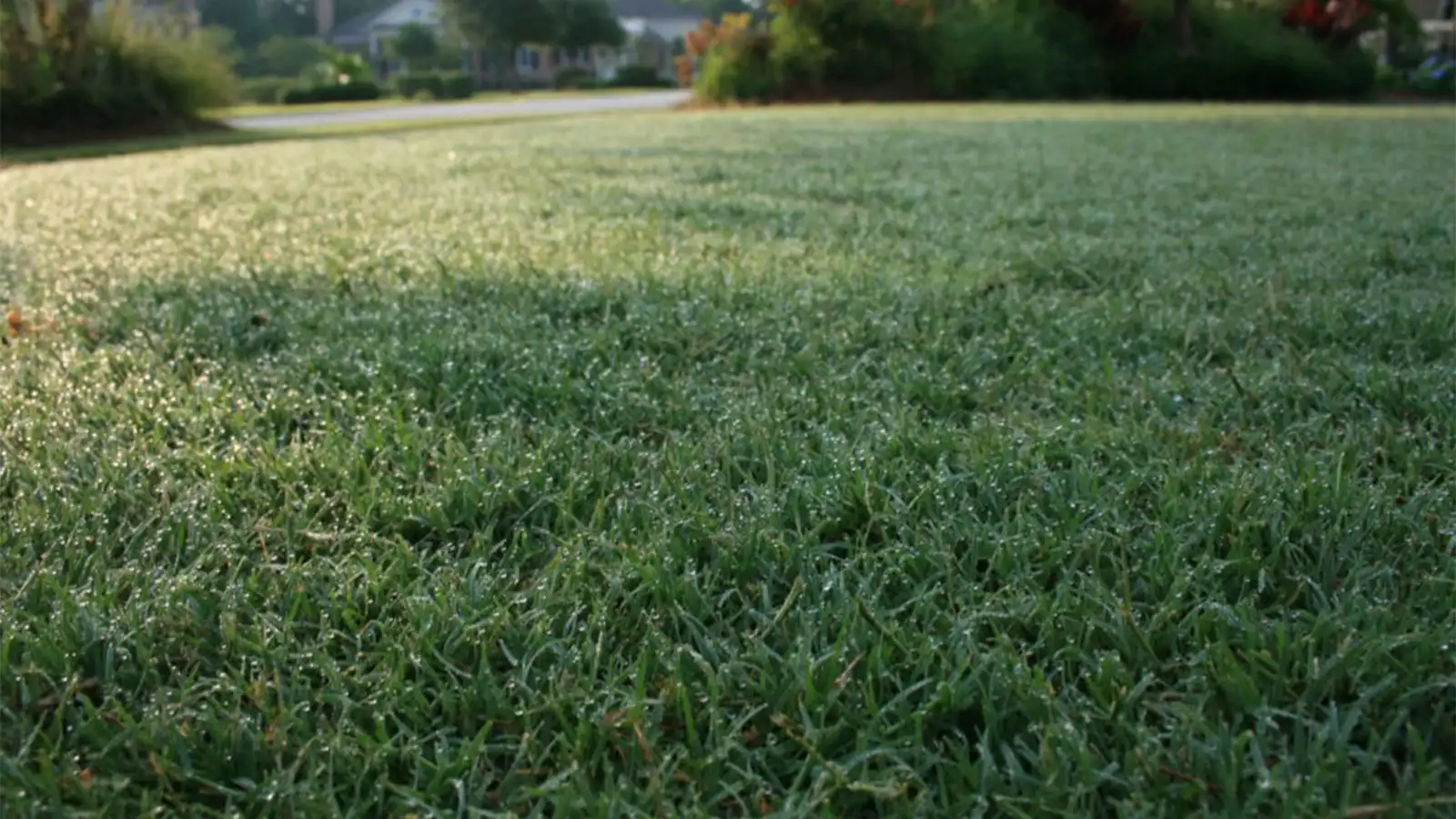
Bermudagrass is the workhorse of hot, dry lawns. Texas A&M rates its drought tolerance very good to excellent and its traffic tolerance high, which makes it the go-to choice for yards with kids and dogs.
The standout here is TifTuf. A cultivar is simply a named, bred variety within a grass species, and this one was built for drought. After almost 25 years of testing, University of Georgia researchers showed TifTuf uses 38 percent less water and keeps 95 percent more green leaf tissue during drought stress than other varieties.
The catch? Bermuda needs full sun. Plant it under trees and it thins out fast.
Zoysiagrass, a Drought Resistant Grass With Premium Looks
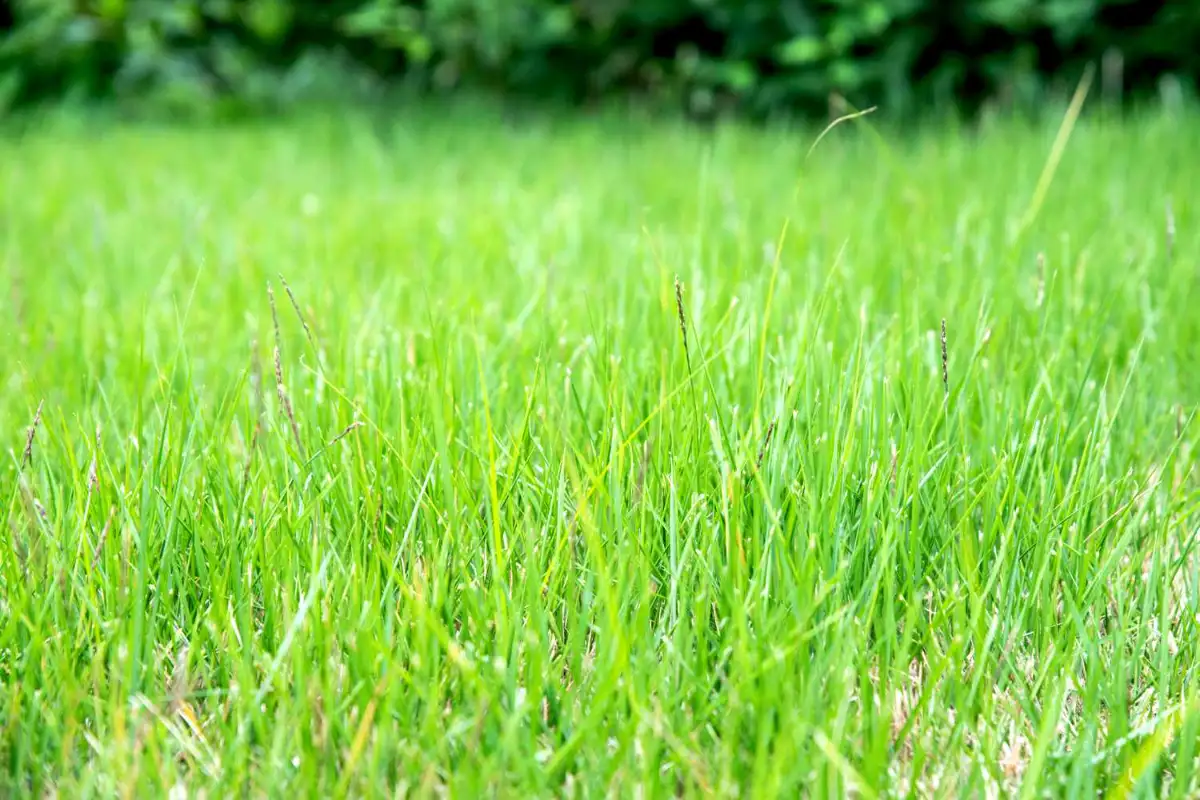
Zoysia gives you a thick, carpet-like lawn that crowds out weeds and handles moderate foot traffic. Texas A&M rates its drought tolerance as very good and notes it handles light to moderate shade, depending on the variety.
Here’s the trade-off. Zoysia tends to turn brown sooner than Bermudagrass during an extended drought. It isn’t dying. It’s going dormant, and it greens back up once water returns. Zoysia also establishes slowly, so sod is the smartest way to plant it.
Buffalograss, the Lowest-Water Drought Resistant Grass for the Plains
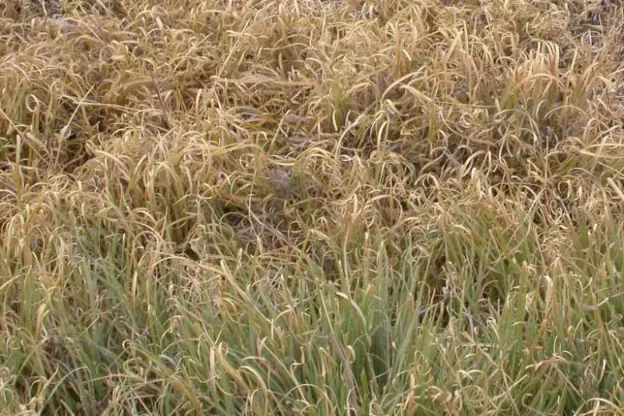
Buffalograss is a native prairie grass and the most water-thrifty lawn option on this list. Texas A&M rates its water requirement as very low. Nebraska Extension found its typical water use can drop to a quarter to three-quarters of an inch per week, and its shorter growing season can save 12 to 16 inches of water a year compared with Kentucky bluegrass.
But there’s one rule you can’t break. Buffalograss is best adapted to areas with 25 inches of annual rainfall or less. Overwater it, or plant it in humid East Texas or the Southeast, and weeds and other grasses move in. It also needs full sun and won’t hold up to heavy foot traffic.
Bahia and St. Augustine, Drought Resistant Grass Options for the Southeast
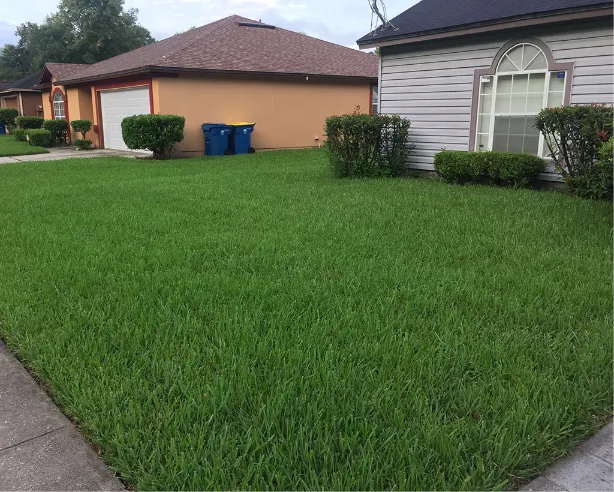
Bahiagrass is the low-budget survivor. UF IFAS Extension describes its extensive, deep root system and its ability to persist in sandy, infertile soil with little water or fertilizer. It grows from inexpensive seed, which keeps planting costs low. The downside is a coarse, open lawn that sends up tall seed heads in summer, and in a long drought it will still go dormant and brown out.
St. Augustinegrass is the shade pick. It’s the most shade-tolerant warm-season grass, but Texas A&M says it’s less drought tolerant than Bermuda or zoysia. If you want St. Augustine in a dry area, choose Floratam. It has the best drought tolerance of the St. Augustine varieties, though its poor cold tolerance limits it to southern Texas and the Gulf Coast.
Best Drought Resistant Grasses for Lawns in Cool Climates and the Transition Zone
North of the Sun Belt, cool-season grasses carry the load. The tricky area is the transition zone, a band across the middle of the country where summers are too hot for most cool-season grasses and winters are too cold for most warm-season ones. If you want the complete rundown of northern options, our guide to types of cool season grass covers them all. Here’s how the top three handle drought.
Tall Fescue, the Deep-Rooted Drought Resistant Grass
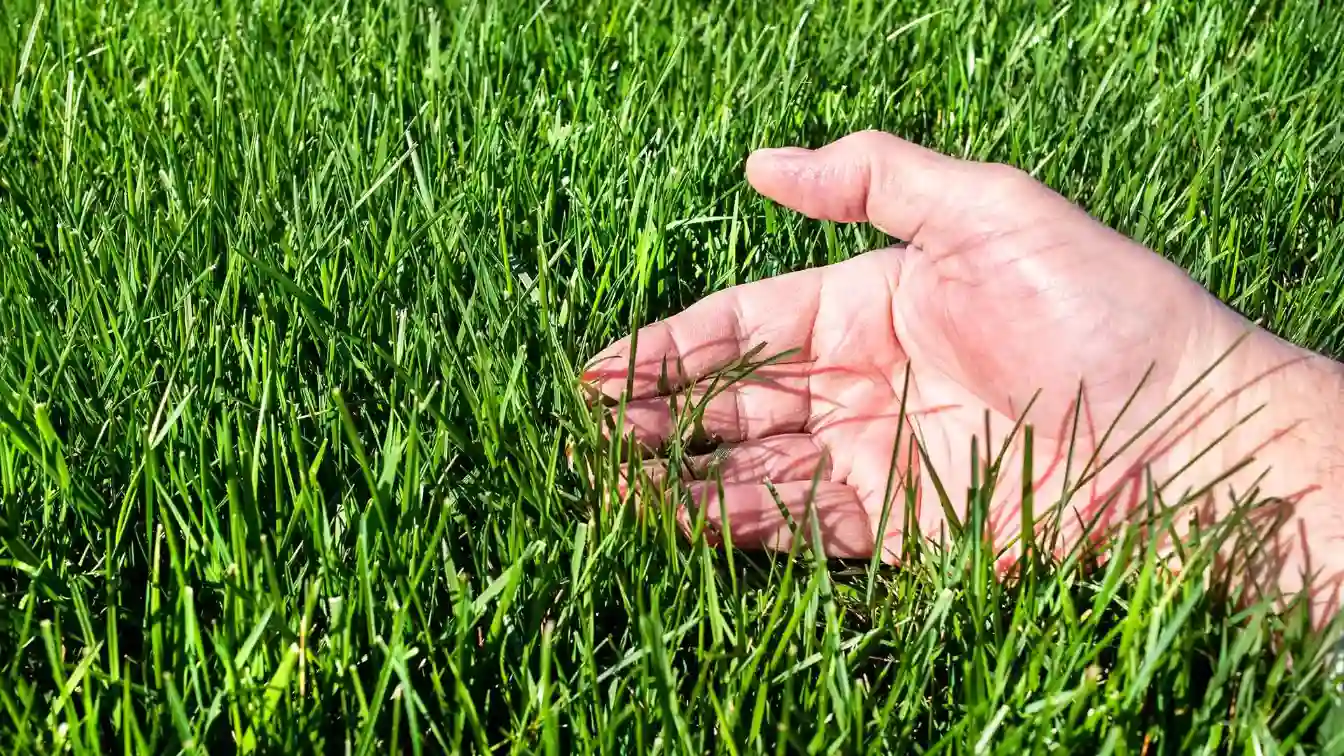
Turf-type tall fescue is the go-to lawn grass for much of the transition zone. In that same Turf Magazine piece, Virginia Tech turfgrass specialist Michael Goatley calls it the number one grass for residential yards in Virginia.
Its big advantage is staying green. University of Minnesota Extension found tall fescue and fine fescue can remain green for at least 28 days without water. Those 3-foot roots do the heavy lifting.
Two things to watch. First, buy a modern turf-type variety, not Kentucky 31, an older forage type that grows wide, clumpy blades when stressed. Second, tall fescue is a bunch grass, so it won’t creep into dead spots on its own. Plan on overseeding in fall to keep it thick.
Kentucky Bluegrass, the Underrated Drought Resistant Grass
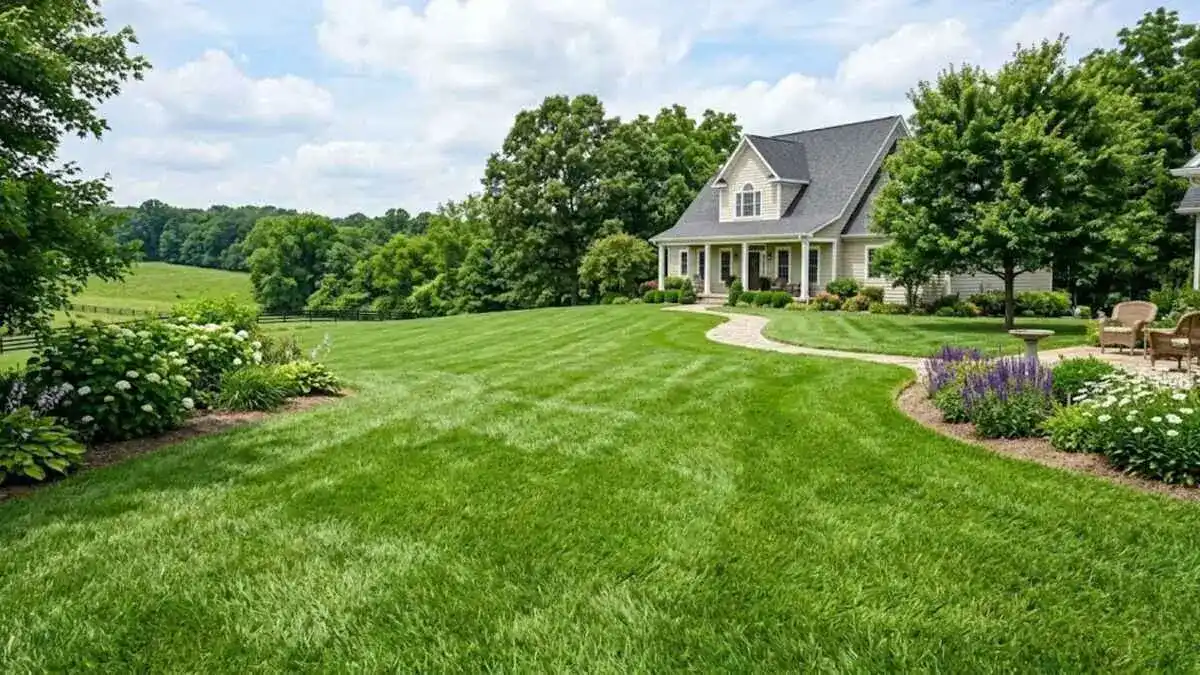
Kentucky bluegrass gets blamed for wasting water. The research says otherwise. Colorado State found it can stay green and healthy with far less water than most people assume, and once-a-week watering was enough for all but the hottest stretches of summer.
When water runs out, it goes dormant instead of dying. Minnesota Extension notes it can start browning after about 7 days without water but recovers relatively fast once rain returns. It also spreads by rhizomes, so thin spots fill back in.
The weak point is shallow roots, mostly in the top 6 to 10 inches of soil. That’s why bluegrass performs best blended with tall fescue or fine fescue in drought-prone yards.
Fine Fescues, a Drought Resistant Grass for Low-Input Lawns
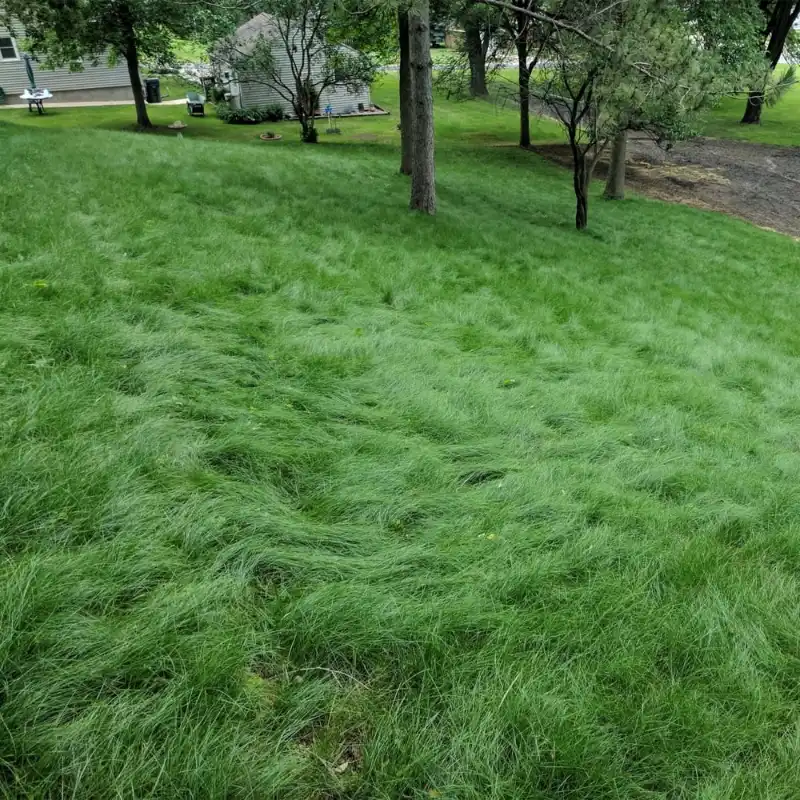
Fine fescue is a group of narrow-bladed grasses: hard, Chewings, creeping red, and sheep fescue. Minnesota Extension rates hard fescue’s drought tolerance as excellent, with Chewings and slender creeping red close behind.
Fine fescues need little fertilizer or mowing, and they handle more shade than any other cool-season grass. That makes them the best pick for dry spots under trees. See our shade tolerant grass guide for sun-hour requirements. The trade-off is weak foot traffic tolerance, so keep them off play areas.
Drought Resistant Grasses for Lawns Compared
Warm-season grasses
Grass | Region | In drought | Water |
|---|---|---|---|
TifTuf Bermuda | South, Southwest | Stays green | Low |
Zoysia | South, transition | Browns early | Moderate |
Buffalograss | Plains, West TX | Goes dormant | Very low |
Bahia | Southeast | Holds color | Low |
Floratam St. Augustine | Gulf Coast | Holds color | Moderate |
Cool-season grasses
Grass | Region | In drought | Water |
|---|---|---|---|
Tall fescue | Transition, North | Stays green | Moderate to high |
Kentucky bluegrass | North, Plains | Goes dormant | Moderate |
Fine fescue | North | Stays green | Low |
How to Keep Drought Resistant Grasses for Lawns Alive Through Summer
Picking the right grass is half the job. The other half is care, because even the toughest drought resistant grass fails if it’s planted at the wrong time, watered daily, or scalped short in July.
When to Plant Drought Resistant Grass
Timing decides how deep the roots get before the first hot summer. Plant warm-season grasses like Bermuda, zoysia, bahia, and buffalograss in late spring to early summer, once the soil warms and the grass can grow in before fall. UF IFAS gives that same spring to early summer window for bahiagrass in north Florida.
Cool-season grasses go in during late summer to early fall. Seeding then gives tall fescue, bluegrass, and fine fescue two cool growing seasons to build roots before summer stress hits.
Here’s what most people miss. A drought resistant grass is not drought resistant until it’s established. New sod needs short, frequent watering for the first week or two, then gradually longer and less frequent watering. UF IFAS says sodded bahiagrass is typically established three to four weeks after planting, at which point you can switch to watering only as needed.
How to Water Drought Resistant Grass
Water deeply and rarely, never lightly and often. University of Maryland Extension recommends about 1 inch of water per week for actively growing grass, from rain and irrigation combined. One inch soaks roughly 6 inches into the soil, which is exactly where you want the roots.
Not sure if it’s time? Push a screwdriver into the soil. Maryland Extension says watering may be needed when the soil is fairly dry to the touch at least 4 inches down. Your lawn will also tell you:
- The color dulls to blue-gray or blue-green.
- Blades roll inward and look skinnier than normal.
- Footprints stay visible for more than a few minutes.
Water in the early morning, when less is lost to heat and wind. That matters more than you’d think. The EPA estimates up to 50 percent of outdoor water is lost to wind, evaporation, and runoff from inefficient watering. If you have a sprinkler system, swapping a clock timer for a WaterSense labeled smart controller can save an average home up to 15,000 gallons a year.
And if your lawn has gone dormant on purpose, leave it alone. Skip the fertilizer, keep foot traffic and mowers off it, and give it that small drink every two to three weeks to keep the crowns alive.
Mowing and Feeding Drought Resistant Grass in Summer
Mow high. Taller blades shade the soil and support deeper roots. Maryland Extension recommends 3 to 4 inches for tall fescue and fine fescue, 2.5 to 3.5 inches for Kentucky bluegrass, 1.5 to 2.5 inches for zoysia, and 1 to 1.5 inches for Bermudagrass. Never cut more than one-third of the blade at once.
Keep the mower blade sharp, too. Nebraska Extension found a dull blade leaves jagged wounds that can cause 30 to 50 percent more water loss. And don’t mow at all while the lawn is dormant from drought.
Feed at the right time of year, not in the heat. Fertilize cool-season lawns in late summer and fall, and warm-season lawns in late spring and early summer. Heavy nitrogen in midsummer pushes fast, thirsty top growth right when water is scarce. For a full season-by-season routine, see our DIY lawn care for beginners guide.
Frequently Asked Questions About Drought Resistant Grasses
What is the most drought resistant grass for lawns?
Buffalograss uses the least water, but only where annual rainfall is 25 inches or less. For a traditional lawn in the South, TifTuf Bermudagrass is the top pick, using 38 percent less water than other Bermuda varieties in University of Georgia testing. In the North, tall fescue stays green the longest, while Kentucky bluegrass survives the longest in dormancy.
Which drought resistant grass stays green all summer?
No grass stays green all summer with zero water. With minimal watering, TifTuf Bermuda holds its color best in the South, and St. Augustine and bahia keep their green longer than zoysia. In the North, University of Minnesota research found tall fescue and fine fescue stayed green for at least 28 days without any water.
Can drought resistant grass grow in shade?
Some can. St. Augustinegrass is the most shade-tolerant warm-season option, and zoysia handles moderate shade. In cool climates, fine fescue is the best choice for dry, shady spots. Bermuda and buffalograss both need full sun.
How long can drought resistant grass go without water?
Most dormant lawns survive about four to five weeks without water, or three to four weeks when temperatures stay above 80°F. Giving the lawn a quarter to half an inch of water every two to three weeks stretches that much further. Colorado State has seen Kentucky bluegrass lawns survive weeks or even months without irrigation.
Will dormant drought resistant grass come back?
Yes, as long as the crowns stay alive. Dormant grass greens up on its own once steady rain or irrigation returns. Colorado State found that most lawns that died during drought had other problems first, such as spider mites, poor mowing and feeding, or badly prepared soil. Keep traffic off brown grass to protect the crowns.
Choose Drought Resistant Grasses for Lawns That Fit Your Region
The right drought resistant grass comes down to two questions: where you live, and whether you want a lawn that stays green or one that sleeps through dry spells. Here’s the short version:
- South and Southwest: TifTuf Bermuda for full sun and heavy traffic, or zoysia for a denser look and some shade.
- Great Plains and West Texas: Buffalograss, as long as you get 25 inches of rain a year or less and don’t overwater it.
- North and the transition zone: Tall fescue to stay green longest, a bluegrass blend to survive dormancy, and fine fescue for dry shade.
- Everywhere: Water about 1 inch a week in deep sessions, mow high with a sharp blade, and let established lawns go dormant in long droughts.
Start by checking your yearly rainfall and how many hours of direct sun your yard gets, then match them to the comparison table above. Plant in your region’s window, and next summer’s water bill will show the difference.
About Author
Khalid Fazal is a seasoned lawn care specialist and horticultural researcher with over 15 years of hands-on experience transforming challenging landscapes into lush, resilient green spaces. His journey didn’t start in a lab, but in a backyard full of stubborn, cracked clay that “experts” said would never grow a healthy blade of grass. Refusing to accept a yard full of dust, Khalid spent years experimenting with organic soil restoration and precise mulching, eventually turning that wasteland into a neighborhood showpiece on a shoestring budget.
From mastering core aeration techniques to optimizing soil pH for specialized turf varieties, Khalid’s approach combines old-school grit with modern agronomic science. He founded Gen Lawn to provide homeowners with honest, research-backed advice that prioritizes long-term soil health over quick-fix chemical solutions. When he isn’t analyzing soil profiles, he’s developing precision tools to help others achieve professional results without the professional price tag.

Drought Resistant Grasses for Lawns [8 Picks by US Region]
Table of Contents Home / By Khalid Fazal | Updated:...
Read More
Shade Tolerant Grass: 7 Best Types by Region [Sun Hours]
Table of Contents Home / By Khalid Fazal | Updated:...
Read More
7 Types of Cool Season Grass: Best Picks by Region [2026]
Table of Contents Home / By Khalid Fazal | Updated:...
Read More
Warm Season Grass Types: 7 Best Picks by US Region [2026]
Table of Contents Home / By Khalid Fazal | Updated:...
Read More