
Shade Tolerant Grass: Best Types by Region and How to Make Them Last
You seeded the bare patch under the oak in spring. By August it was thin again, then bare dirt, then moss. Another bag of “sun and shade” mix, gone.
Here’s the thing: the seed usually isn’t the problem. The grass doesn’t match the light or the climate. In the North, fine fescue is the most shade tolerant grass you can plant. In the South, St. Augustine wins. And no grass holds up for long without roughly 4 hours of direct sun, or a full day of bright filtered light, according to Mississippi State University Extension.
Start with this quick comparison, then find your climate below.
Grass | Region | Shade |
|---|---|---|
Fine fescue | North | Heavy |
Tall fescue | North, transition | Moderate |
Kentucky bluegrass | North | Light |
St. Augustine | South | Moderate to heavy |
Zoysia | South, transition | Moderate |
Centipede | Southeast | Light |
Bermuda | South | Very little |
Shade ratings come from Penn State Extension, UF/IFAS Extension, and Mississippi State.
How Much Sun Does Shade Tolerant Grass Really Need?
Most shade tolerant grass needs at least 3 to 4 hours of direct sun a day. Penn State turf specialists say a spot getting more than three hours of direct sun can usually support fine fescue. Anything darker is ground cover territory.
“Shade tolerant” never means “shade loving.” Every lawn grass grows best in full sun. The shade tolerant types just survive on less.
Light, Moderate, and Heavy Shade: Which Shade Tolerant Grass Fits
Light shade means sun for most of the day, or bright dappled light all day. Tall fescue, fine fescue, and shade-tolerant Kentucky bluegrass all work here.
Moderate shade means roughly half a day of sun. This is fine fescue, tall fescue, St. Augustine, and zoysia territory.
Heavy shade means less than about 3 to 4 hours of direct sun. Only fine fescue in the North, or a shade-tolerant St. Augustine in the South, has a real shot.
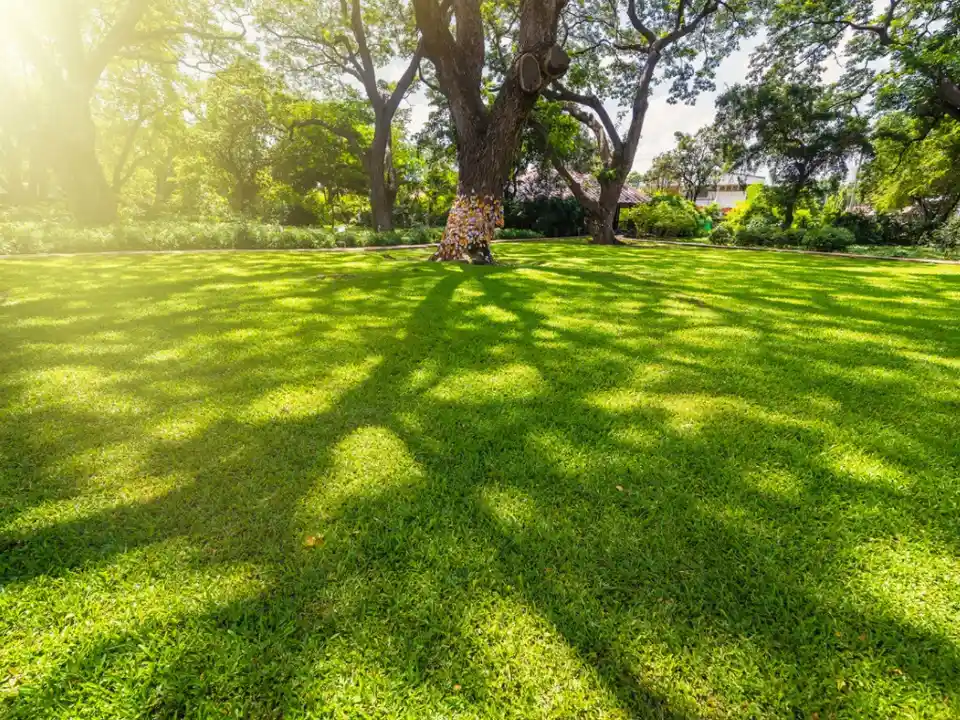
But wait: tree shade is harder on grass than building shade. University of Missouri Extension explains that light filtering through leaves shifts toward the “far red” range, which grass uses poorly for photosynthesis, the process plants use to turn light into food. So 4 hours under a maple is not the same as 4 hours beside a fence.
How to Measure Sun Hours Before Planting Shade Tolerant Grass
Most homeowners guess, and guess high. Mississippi State recommends a simple check: on a clear day, note every hour whether each part of the lawn sits in sun or shade.
A phone photo from the same spot each hour makes this easy. Do it in late spring or summer, when trees are in full leaf. Sun angle and day length change through the year, so a March count will fool you.
Add up the hours for each zone. That number decides your grass, not the label on the seed bag.
Tree Roots Are Stealing More Than Light
Here’s what most shade guides miss. Penn State Extension names three causes of turf failure under trees: competition for water, nutrients, and light. Tree roots are extensive, often shallow, and they drink first.
Those roots don’t stop at the branch tips, either. UF/IFAS Extension notes they can extend well past the canopy line, so a lawn can struggle several feet beyond the shade itself.
That’s why grass under a tree can wilt even when the rest of the yard looks fine. Mississippi State points out that shaded turf generally needs less water, but tree root competition can dry it out fast. Wilting blades are your signal to water.
When No Shade Tolerant Grass Will Work
Sometimes the honest answer is “stop planting grass here.” UF/IFAS does not recommend growing turf in heavy shade, such as under a large oak. It suggests ground covers, shade-tolerant plants, or mulch instead.
Penn State lists pachysandra, periwinkle, and purple wintercreeper as reliable shade ground covers. Colorado State University Extension suggests wood-chip mulch paired with shade-loving perennials. For a dog run or a narrow, dark side yard, artificial turf is another option; see our natural grass vs artificial turf comparison before you spend.
Best Shade Tolerant Grass for Cool-Season Lawns
For lawns in the Northeast, Midwest, Pacific Northwest, and mountain states, fine fescue is the first pick for shade. Tall fescue is the backup when the shady spot also takes foot traffic. For a full side-by-side of every northern grass, see our guide to types of cool season grass.
Fine Fescue: The Most Shade Tolerant Grass for Northern Lawns
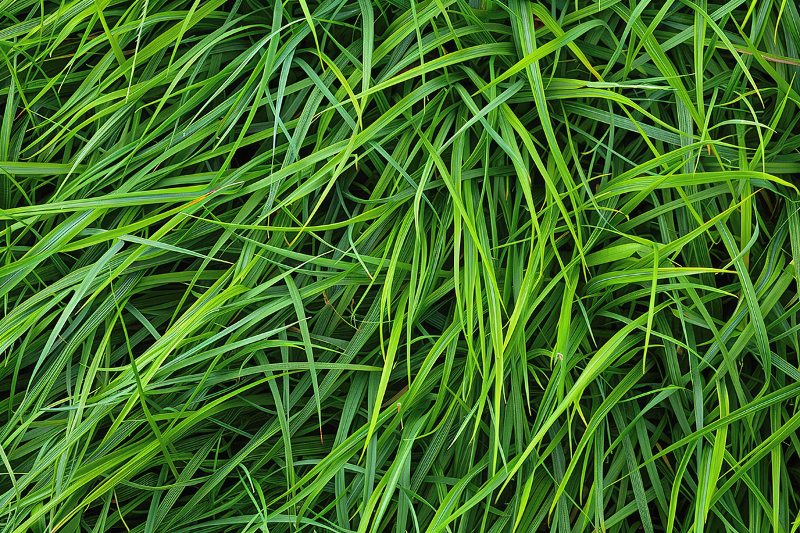
“Fine fescue” is a group, not a single grass. It includes creeping red, Chewings, hard, and sheep fescue. Penn State Extension ranks them among the most shade tolerant lawn grasses there are.
They also handle what trees throw at them: dry soil, low fertility, and little fertilizer. The blades are needle-thin, so the lawn looks soft and fine-textured.
The trade-off? Fine fescue doesn’t love foot traffic, and it hates constantly wet soil. Penn State also warns that too much nitrogen can hurt it. Feed it lightly or not at all.
Tall Fescue: Shade Tolerant Grass That Handles Foot Traffic
Tall fescue is the workhorse. It has deep roots, strong wear tolerance, and good heat tolerance, which makes it the go-to for family yards with a few trees.
It handles moderate shade, not heavy shade. University of Maryland Extension says turf-type tall fescue needs at least 4 to 6 hours of sun a day.
One catch: tall fescue grows in clumps. It doesn’t spread to fill bare spots, so plan on overseeding thin areas every fall.
Shade Tolerant Grass Seed Mixes That Actually Work
Here’s why mixes beat single grasses in mixed sun and shade: each grass takes over where it fits best. Fine fescue claims the shade, while Kentucky bluegrass and ryegrass hold the sunny edges.
Penn State’s lawn establishment guide recommends these blends:
Shade level | Seed | lb per 1,000 sq ft |
|---|---|---|
Partial | Fescue mix* | 4 |
Partial, traffic | Tall fescue | 6 to 8 |
Full, dry | Fine fescue | 4 to 5 |
Full, wet | Rough bluegrass | 2 to 3 |
*40 to 50% fine fescue, 40 to 50% Kentucky bluegrass, and 10% perennial ryegrass.
Rough bluegrass deserves a warning. It only belongs in wet shade. University of Missouri Extension advises using it only where several trees shade the lawn and other grasses have already failed.
If you want Kentucky bluegrass in light shade, pick a shade-rated variety. Penn State names Glade and Bensun as two that tolerate light shade. Check the seed label, too: it lists each grass by percent weight, so you can confirm the fine fescue share before you buy.
Best Shade Tolerant Grass for Warm-Season Lawns
In the South and along the Gulf Coast, St. Augustine is the most shade tolerant grass you can grow, with fine-bladed zoysia close behind. Both need the right variety, though. Pick the wrong one and you’re back to bare dirt by fall. For the full lineup of southern grasses, see our warm season grass types guide.
St. Augustine: The Top Shade Tolerant Grass for the South
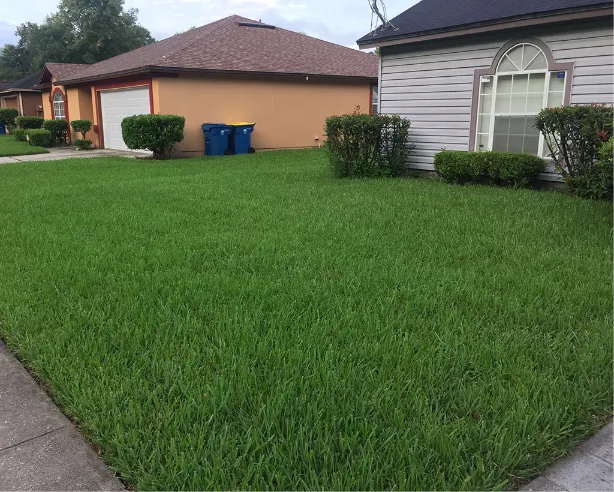
Mississippi State ranks St. Augustine as the most shade tolerant warm-season grass. But the variety matters more than most people realize.
UF/IFAS Extension lists CitraBlue, Classic, Cobalt, Palmetto, ProVista, Seville, Sola, and Viridian as the most shade tolerant St. Augustine cultivars (a cultivar is a named, bred variety within a grass species).
Now for the trap. Floratam, the St. Augustine sold almost everywhere in Florida, is not a shade grass. UF’s St. Augustinegrass guide says it doesn’t persist on less than 6 hours of sun a day.
A few more details from UF worth knowing:
- Palmetto does well in full sun or partial shade, but not in dense shade. It also has very good cold tolerance.
- Seville is a dwarf type that performs in both shade and sun, but it’s cold sensitive. Mow it lower, at 2 to 2.5 inches.
- CitraBlue is UF’s newest release, with very good shade tolerance and better drought tolerance than Floratam.
St. Augustine has poor wear tolerance, so keep heavy play off it. It also doesn’t come as seed. It spreads by stolons (above-ground runners), so you plant it as sod, plugs, or sprigs. Our sod installation guide walks through the job and the real costs.
Zoysia: Shade Tolerant Grass for Moderate Shade
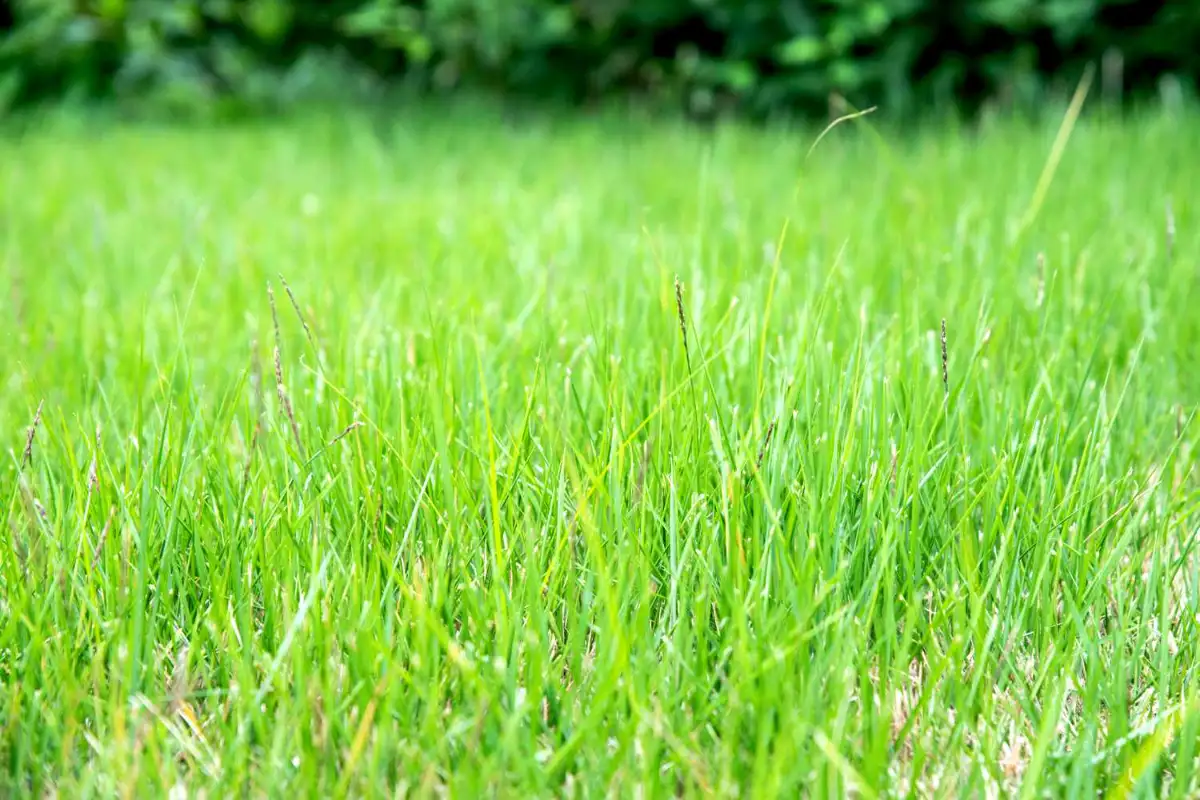
Zoysia gives you a dense, soft, carpet-like lawn that takes foot traffic far better than St. Augustine. It handles moderate shade, not heavy shade.
Here’s the rule that saves money: with zoysia, finer blades usually mean better shade tolerance. UF/IFAS rates fine-textured types like Zeon, Geo, Stadium, Prizm, Gateway, and Lobo as having excellent shade tolerance. These typically beat the coarser types in shade.
Among the coarser zoysias, UF names Palisades and Brazos as the best in shade, followed by CitraZoy, then Empire and Icon. Most zoysias go in as sod or plugs. Zenith is one of the few you can buy as seed, according to Mississippi State.
Centipede and Bermuda: Why They Struggle as Shade Tolerant Grass
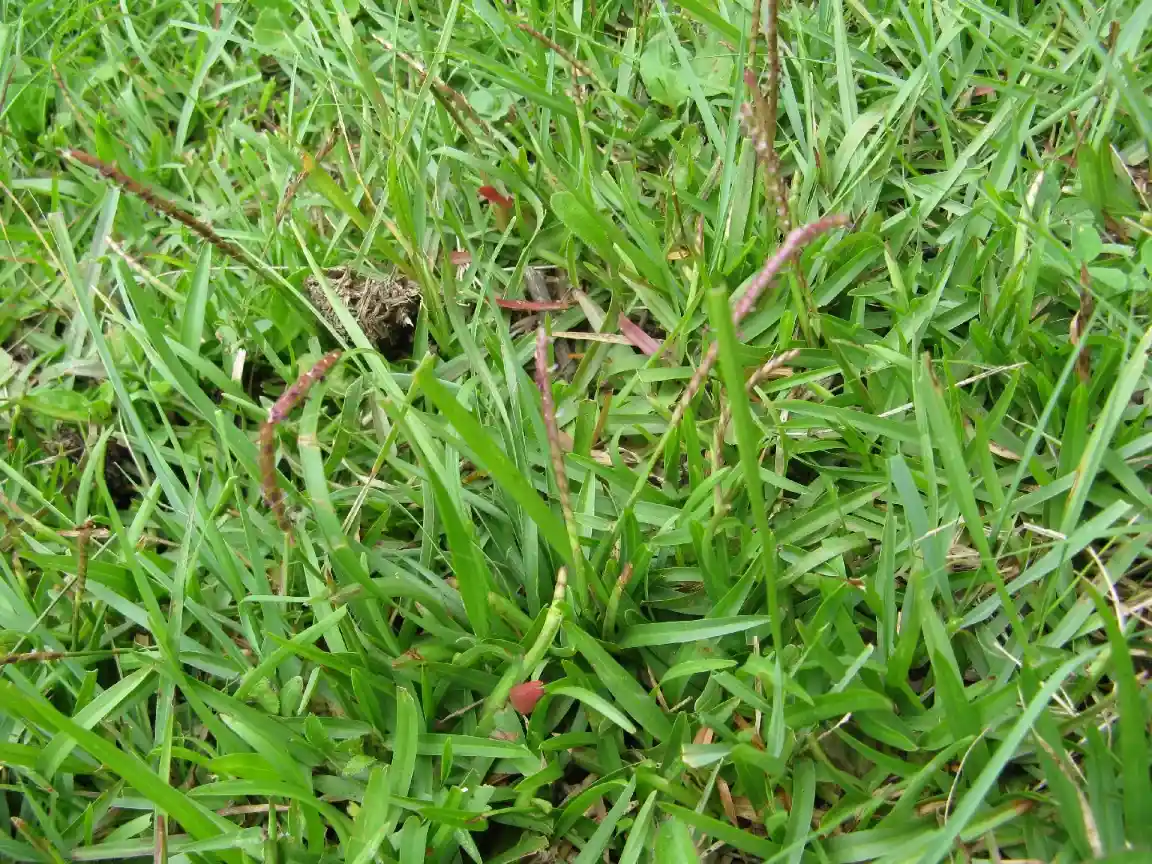
Centipede has fair shade tolerance, per UF/IFAS. It can work in light shade, especially in acidic Southeast soils, but don’t expect it under a thick canopy.
Bermuda is the opposite of a shade grass. UF/IFAS doesn’t recommend it for shady landscapes at all, and Mississippi State ranks it as needing the most light of any maintained turfgrass.
What about Celebration and TifGrand? Mississippi State says both show promise in moderate shade, but they are “by no means shade tolerant.” If you love Bermuda, our hybrid Bermuda lawn guide covers where Celebration fits.
Shade Tolerant Grass for the Transition Zone
The transition zone is the band across the middle of the US where northern and southern climates meet. Think Virginia, North Carolina, Tennessee, Kentucky, Missouri, and Maryland. Summers are too hot for many cool-season grasses, and winters are too cold for many warm-season ones.
For shade here, tall fescue is usually the safest bet, and University of Maryland Extension recommends it for most of that state. Blend in fine fescue for the darkest spots in the cooler, higher areas. Toward the warmer southern edge, fine-bladed zoysia becomes an option for moderate shade.
State extension offices publish their own tested variety lists. Maryland, for example, updates its recommended cultivar list every year. Check yours before you buy seed or sod.
How to Keep Shade Tolerant Grass Thick
Picking the right shade tolerant grass gets you halfway. The other half is caring for it differently than your sunny lawn. Most shade lawns die from sun-lawn habits: short mowing, heavy feeding, and the same watering schedule.
Mow Shade Tolerant Grass Higher and Water It Smarter
Taller blades catch more light. Penn State recommends mowing shaded grass about 1 inch higher than you would in full sun, and never removing more than one-third of the blade at a time. Colorado State suggests 3 inches for shaded cool-season lawns.
Mississippi State flags a sneaky cause of decline: riding mower wheels. Under trees, the constant tight turns crush weak turf. Trim close to trunks with a string trimmer or ring the tree with mulch instead.
Water shade less than sun. UF/IFAS explains that watering shaded grass on the same schedule as sunny areas keeps it wet longer and invites disease. That’s how black lawn fungus and slime molds get started in shady spots. The exception is tree root zones, where grass can dry out fast. Water deeply there when blades wilt.
Feed Less Nitrogen, and Time It Right
This one surprises people. Mississippi State warns that a full-sun nitrogen program applied to shade can cause decline. Shaded grass already stretches toward light, and extra nitrogen pushes even more top growth at the expense of roots.
University of Missouri Extension caps fine fescue at no more than 2 pounds of nitrogen per 1,000 square feet per year. It recommends feeding shaded areas in fall, just as leaves begin to drop. Missed fall? Feed in late winter or early spring, about a month before trees leaf out.
UF/IFAS adds that slow-release nitrogen works best, because it avoids sudden growth surges. Not sure what your soil needs? A soil test costs about $11 to $30 and tells you exactly what to add.
Overseed Shade Tolerant Grass Every Fall
Shade lawns thin out over time. It’s normal, so plan for it. Penn State recommends fall seeding over spring under trees, because trees compete less in fall.
For cool-season lawns, late summer to early fall is the window. University of Maryland Extension suggests these overseeding rates per 1,000 square feet: 4 lb of turf-type tall fescue, 2.5 lb of fine fescue, or 1.5 lb of Kentucky bluegrass.
Pair it with core aeration, which pulls small plugs of soil to relieve compaction. Colorado State suggests scattering shade-tolerant seed right after aerating, so it lands in the holes.
Warm-season lawns work differently. Patch thin St. Augustine or zoysia with plugs or sod in late spring to early summer, when the grass is actively growing.
Thin the Canopy and Clear the Leaves
More light beats every other fix. UF/IFAS notes that raising the lower branches of trees lets in low-angle morning and evening light. That can add real hours of sun to the lawn below. Thinning the canopy lets in even more.
For big trees, hire a certified arborist. Bad pruning can hurt the tree and cost more than the lawn is worth.
Then keep the leaves off. Penn State warns that fallen leaves left on the lawn can smother grass, especially new fall seedlings, and invite disease. Rake or mulch-mow them weekly in autumn.
Frequently Asked Questions About Shade Tolerant Grass
What is the most shade tolerant grass?
It depends on your climate. Fine fescue is the most shade tolerant grass for cool-season lawns in the North. St. Augustine, in a shade variety like Palmetto or Seville, is the most shade tolerant grass for warm-season lawns in the South.
What grass grows in full shade under trees?
No lawn grass grows in true full shade. Every type needs some direct sun or bright filtered light. Under dense trees with less than about 3 to 4 hours of sun, switch to ground covers, mulch, or shade plants instead.
Is St. Augustine or zoysia better for shade?
St. Augustine handles deeper shade. Zoysia handles foot traffic better and suits moderate shade, especially fine-bladed types like Zeon and Geo. For a shady yard that also sees kids and dogs, fine-bladed zoysia is often the smarter balance.
When should I plant shade tolerant grass seed?
For cool-season grasses like fine fescue and tall fescue, plant in late summer to early fall. Trees compete less then, and seedlings get two cool seasons to root. Warm-season grasses like St. Augustine and zoysia go in as sod or plugs in late spring to early summer.
Does shade tolerant grass need less fertilizer?
Yes. Shaded grass needs less nitrogen than grass in full sun, and too much weakens it. For fine fescue, University of Missouri Extension suggests no more than 2 pounds of nitrogen per 1,000 square feet per year, applied in fall.
Pick the Right Shade Tolerant Grass and Stop Reseeding Every Spring
A thin lawn under trees isn’t bad luck. It’s a mismatch you can fix.
- Count sun hours first. Most shade tolerant grass needs at least 3 to 4 hours of direct sun a day.
- Up North, plant fine fescue for heavy shade and tall fescue where people walk.
- Down South, choose a shade-rated St. Augustine like Palmetto, Seville, or CitraBlue, or a fine-bladed zoysia. Skip Floratam and Bermuda under trees.
- Care for shade differently: mow higher, feed less nitrogen, overseed in fall, and let more light in.
This weekend, grab your phone and log the sun on your shadiest patch every hour. That one number tells you whether to seed, sod, or switch to ground cover, and it saves you another wasted bag of seed.
About Author
Khalid Fazal is a seasoned lawn care specialist and horticultural researcher with over 15 years of hands-on experience transforming challenging landscapes into lush, resilient green spaces. His journey didn’t start in a lab, but in a backyard full of stubborn, cracked clay that “experts” said would never grow a healthy blade of grass. Refusing to accept a yard full of dust, Khalid spent years experimenting with organic soil restoration and precise mulching, eventually turning that wasteland into a neighborhood showpiece on a shoestring budget.
From mastering core aeration techniques to optimizing soil pH for specialized turf varieties, Khalid’s approach combines old-school grit with modern agronomic science. He founded Gen Lawn to provide homeowners with honest, research-backed advice that prioritizes long-term soil health over quick-fix chemical solutions. When he isn’t analyzing soil profiles, he’s developing precision tools to help others achieve professional results without the professional price tag.

Drought Resistant Grasses for Lawns [8 Picks by US Region]
Table of Contents Home / By Khalid Fazal | Updated:...
Read More
Shade Tolerant Grass: 7 Best Types by Region [Sun Hours]
Table of Contents Home / By Khalid Fazal | Updated:...
Read More
7 Types of Cool Season Grass: Best Picks by Region [2026]
Table of Contents Home / By Khalid Fazal | Updated:...
Read More
Warm Season Grass Types: 7 Best Picks by US Region [2026]
Table of Contents Home / By Khalid Fazal | Updated:...
Read More