
Spring Lawn Care: What to Do and When in Every US Region
You fed the lawn on the first warm Saturday in March, spread crabgrass preventer the same afternoon, and mowed it short to “clean it up.” By June the crabgrass is back, the thin spots are thinner, and that bag of fertilizer did almost nothing.
The problem wasn’t effort. It was timing. Spring lawn care runs on soil temperature, not the calendar, and the right week in Minnesota is the wrong week in Georgia.
Here’s the short version. Clean up once the ground is firm, test your soil, put down crabgrass pre-emergent when the soil holds around 55°F, mow high and often, feed lightly only after the grass is actively growing, and water only when spring rain stops doing the job.
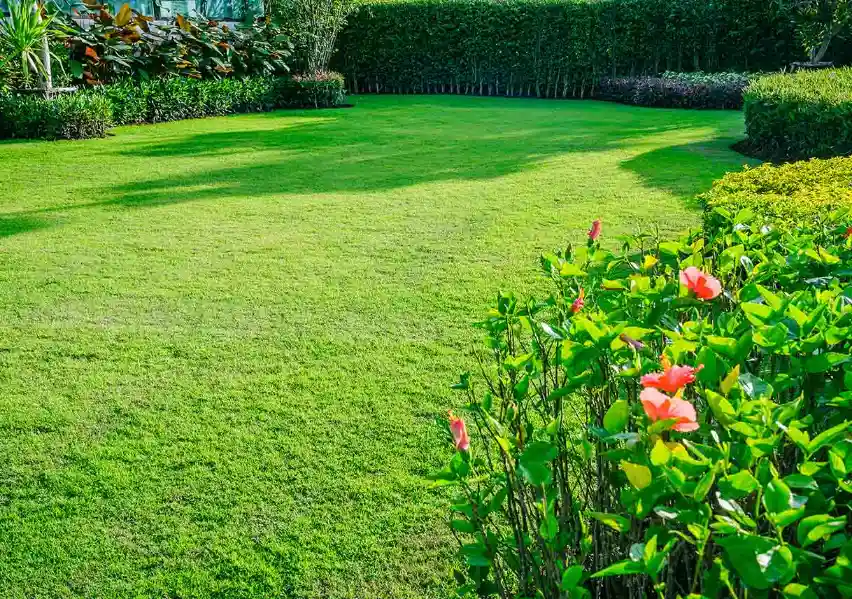
When to Start Spring Lawn Care (Hint: Not the Calendar)
Grass doesn’t check the date. It responds to soil temperature, and soil warms weeks behind the air. University of Maryland Extension puts it plainly: lawn growth and crabgrass emergence both follow soil temperature, which changes much more slowly than air temperature.
So a 70°F afternoon in March doesn’t mean your lawn is awake. Most of the time, it means it isn’t.
Cool-Season vs. Warm-Season Grass Changes Your Spring Lawn Care Timing
Cool-season grasses like Kentucky bluegrass, tall fescue, fine fescue, and perennial ryegrass wake up when the soil reaches about 50 to 55°F. Warm-season grasses like Bermuda, zoysia, St. Augustine, and centipede stay dormant until the soil hits roughly 65 to 70°F.
That 15-degree gap is why one generic spring checklist fails half the country. If you’re not sure which type you have, our guides to cool-season grass types and warm-season grass types will sort it out in a few minutes.
Spring Lawn Care Timing by US Region
Use this as your starting calendar. A late cold snap pushes everything back a week or two, and a warm March pulls it forward, so confirm with a soil reading before each step.
| Region | Main grasses | Cleanup | Crabgrass pre-emergent | First mow | First feeding |
|---|---|---|---|---|---|
| North (Upper Midwest, Northeast, Northern Plains) | Bluegrass, fescue, ryegrass | Late March to April, after snowmelt | Mid-April to early May | Mid to late April | Mid to late May, light |
| Transition zone, cool-season (Mid-Atlantic, Ohio Valley, Missouri, Kansas) | Tall fescue, bluegrass | Early to mid March | Mid-March to early April | Late March to April | May, after the spring growth flush |
| Transition zone, warm-season (Tennessee, the Carolinas, Arkansas, Oklahoma) | Bermuda, zoysia | March | Late March to early April | Late April to early May | May, after full green-up |
| South (Florida, Gulf Coast, South Texas, South Georgia) | St. Augustine, Bermuda, centipede, bahia | February to early March | February to early March | March, once half green | Mid-April |
Living in Michigan? Our Michigan spring lawn care checklist breaks the Northern schedule down step by step.
How to Check Soil Temperature Where You Live
You don’t need special gear. Pick whichever of these is easiest.
The free GreenCast soil temperature map shows the average soil temperature for your ZIP code. It’s the same tool University of Maryland Extension points homeowners to.
A $10 probe thermometer works too. Push it about 2 inches into the soil and read it mid-morning for a few days in a row, because a single afternoon reading runs high.
Or watch the shrubs. University of Missouri Extension uses forsythia bloom as its cue for crabgrass control, alongside a 55°F soil reading at 2 inches deep. When the neighborhood forsythia turns bright yellow, your pre-emergent window is opening.
Early Spring Lawn Care: Set the Foundation
The first few weeks aren’t about making the lawn green. They’re about not damaging it while it wakes up, and putting the right things down at the right moment.
Clean Up Without Damaging Soggy Turf
Do the footprint test first. If your shoes sink or the ground squishes, stay off it. Raking and walking on wet, thawing soil compacts it, and compacted soil chokes roots all season.
Once it’s firm, rake off leaves, sticks, and winter debris. Missouri Extension notes that leaf cover smothers turf and that clearing it helps the lawn green up and the soil warm faster.
In the North, you may find circular, matted, straw-colored patches after the snow melts. That’s usually snow mold, a fungus that grows under long snow cover. Iowa State Extension says the damage is rarely serious. Rake the patches gently so they dry out, and they typically green up, just slower than the rest of the lawn. Overseed only the spots that never recover.
Test Your Soil Before You Buy a Single Bag
Here’s the thing: most fertilizer is bought on a guess. A soil test tells you your pH and whether you actually need phosphorus or potassium, so you stop paying for nutrients the lawn already has.
Your state’s Cooperative Extension lab is the most reliable option, and you can find your state’s Extension office here. Do it early. If the results call for lime to raise pH or sulfur to lower it, those take weeks to months to work. Our guide on the NPK ratio for grass explains how to read the numbers on the report and on the bag.
Apply Crabgrass Pre-Emergent at the Right Soil Temperature
A pre-emergent herbicide doesn’t kill weeds you can see. It forms a barrier in the top layer of soil that stops crabgrass seeds from establishing as they sprout. Purdue University’s crabgrass guide is the clearest explanation of how these products work.
Timing is everything. University of Maryland Extension recommends waiting until soil holds 53 to 55°F for five days in a row. Purdue adds that the product needs to be watered in by rain or irrigation to activate.
But wait: going a little early is safer than going late. Maryland Extension says an early application is unlikely to hurt unless it goes down several weeks ahead and starts breaking down before crabgrass germinates. Once crabgrass is up, a standard pre-emergent can’t stop it.
One hard rule. Don’t use it anywhere you plan to seed this spring. More on that below.
Get Your Mower Ready Before the Repair Shops Fill Up
Sharpen the blade, change the oil, swap the spark plug, and use fresh fuel. University of Maryland Extension recommends sharpening at the start of the season and again every 4 to 6 weeks.
Why bother? A dull blade tears grass instead of cutting it. The ragged tips turn brown and give disease an easy way in.
Late Spring Lawn Care: Mow, Feed, and Water for Summer
This is when the lawn takes off. The habits you set over the next six weeks decide how well it handles July heat.
The First Mow of Spring Lawn Care: Height and the One-Third Rule
Start mowing when the grass is actively growing, not just turning green. Never remove more than one-third of the blade in one cut. So if you keep the lawn at 3 inches, mow when it reaches about 4 to 4.5 inches.
University of Maryland Extension calls low mowing a major cause of lawn decline and a leading cause of crabgrass. It also reports that mowing tall fescue at the proper height can cut weed and disease problems by 50 to 80 percent. That’s the cheapest weed control you’ll ever get.
Illinois Extension says the first mow of the year can be slightly shorter than normal, as long as you don’t scalp it. Skip mowing when the grass is wet, too. Here’s why cutting wet grass backfires.
| Grass type | Recommended mowing height |
|---|---|
| Kentucky bluegrass | 2.5 to 3.5 inches |
| Tall fescue | 3 to 4 inches |
| Fine fescue | 3 to 4 inches |
| Perennial ryegrass | 2 to 3 inches |
| Bermudagrass | 1 to 2 inches |
| Zoysiagrass | 1 to 3 inches |
| St. Augustinegrass | 2.5 to 4 inches (dwarf types lower) |
| Centipedegrass | 1.5 to 2 inches |
| Bahiagrass | 3 to 4 inches |
Cool-season heights come from University of Maryland and Illinois Extension. Warm-season heights come from UF/IFAS Extension and Illinois Extension. Tall fescue owners tend to cut too low, so check our tall fescue cutting height guide if you’re unsure.

Spring Lawn Care Fertilizing: Lighter and Later Than the Bag Says
For cool-season lawns, spring is not the main feeding. Maryland Extension says most of the year’s fertilizer belongs in fall, because spring feeding pushes leaf growth at the expense of roots. It recommends about 1 pound of nitrogen per 1,000 square feet for the whole spring, either as slow-release or split into two half-pound doses about a month apart.
That number means actual nitrogen, not pounds of product. Here’s the math: a 25-0-5 bag is 25 percent nitrogen, so 4 pounds of product delivers 1 pound of nitrogen per 1,000 square feet.
The timing depends on last fall. If you fed in fall, wait until after the April or early May growth flush and feed around mid to late May. If you skipped fall, hold off until daytime highs sit steadily around 58 to 60°F. Maryland Extension’s practical tip: steady temperatures near 60°F and enough growth for a second mowing mean the lawn is ready.
Warm-season lawns follow a different rule. Feed only after the lawn has fully greened up. Fertilizer on a half-dormant Bermuda or St. Augustine lawn mostly feeds the weeds that woke up first.
If you use a weed-and-feed product, Purdue recommends one with most of its nitrogen in slow-release form, since heavy spring nitrogen should be avoided. For month-by-month timing in your area, see our full lawn fertilizer schedule by region, and check the right temperature for lawn fertilizer before you spread.
Watering: Let Spring Rain Do Most of the Work
Most lawns need about an inch of water a week, and spring rain usually covers it. Don’t switch the sprinklers on just because it’s April.
Purdue’s advice is to water deeply and infrequently. Light daily watering grows shallow roots and actually encourages crabgrass. Wait for signs of thirst: the grass turns a bluish-gray color, and your footprints stay pressed into the lawn after you walk across it. Then water to soak the root zone.
Before the first run, turn on each sprinkler zone and look for broken heads, leaks, and spray hitting the driveway instead of the grass.
Spot-Treat Weeds and Skip the Spring Grub Treatment
Spot-spray young broadleaf weeds like dandelions while the weather is mild. Maryland Extension notes this is an effective spring approach, as long as you keep spray away from garden plants.
Leave the winter annuals alone. Chickweed, henbit, and speedwell are near the end of their lives in spring and die on their own once temperatures stay warm, according to Maryland Extension. Spraying them is wasted money.
Now the big one. Iowa State Extension says spring grub insecticide is almost never warranted. Grubs are full-grown by spring, hard to kill, and the lawn’s spring growth hides any damage. Preventive grub products work when applied from late May to early August. For the bigger picture, see our guide to lawn care and pest control.
Spring Lawn Care Mistakes That Ruin Your Summer Lawn
These are the moves that feel productive in April and cost you in August.
Dethatching and Aerating Cool-Season Grass in Spring
Thatch is the spongy layer of living and dead stems and roots between the soil and the grass blades. University of Minnesota Extension says anything over half an inch is worth managing. Less than that is normal and even helpful.
For cool-season lawns, the best time to aerate or dethatch is late August to early October. Ripping open the soil in spring gives crabgrass a perfect seedbed. If compaction is bad enough that you must aerate in spring, UMN says to wait until you’ve mowed twice, then follow with pre-emergent unless you’re seeding.
Warm-season lawns are the opposite. Late spring into early summer, when the grass is growing hard, is their window. Our guide on when to aerate your lawn covers both, and if a past dethatching went wrong, read dethatching killed my lawn before you try again.
Seeding and Crabgrass Preventer in the Same Spring
You have to pick one. Purdue is direct about it: don’t apply pre-emergent before seeding or on new seedlings, because most products block grass seed just like crabgrass seed.
If bare spots are your bigger problem, seed now and skip the standard pre-emergent on those areas. Maryland Extension notes that late March to early April is the best spring window to establish tall fescue before crabgrass starts germinating. Our step-by-step guide on how to overseed a patchy lawn walks through it.
Otherwise, use pre-emergent this spring and save seeding for fall, which is the better season for cool-season grass anyway. Here’s the full timing guide for overseeding your lawn in fall.
Feeding a Lawn That Isn’t Awake Yet
Early fertilizer doesn’t wake grass up. Maryland Extension says fertilizing to get the lawn going sooner has minimal effect, because soil temperature controls spring green-up.
Here’s why it matters: nitrogen that the grass can’t use either washes away or feeds the weeds that sprouted first. On warm-season lawns, it’s an open invitation.
DIY or Hire a Local Spring Lawn Care Service?
Most spring lawn care is easy DIY. The hard part is timing, and now you have it. Hiring makes sense if you have a large lawn, no time on weekends, need core aeration or dethatching equipment, or have lost to crabgrass two springs in a row.
Here’s what pros typically charge, according to Lawn Love’s 2026 cost data:
| Service | Typical price range |
|---|---|
| Mowing | $43 to $69 per visit |
| Fertilization | $103 to $343 |
| Weed treatment | $65 to $120 per treatment |
| Aeration | $82 to $251 |
| Dethatching | $145 to $247 |
| Yard cleanup | $174 to $436 |
Before you sign with a local company, ask three questions. What soil temperature do they use to time pre-emergent? Do they soil test before fertilizing? Will they skip pre-emergent on areas you plan to seed? A good company answers all three without hesitating.
Spring Lawn Care FAQs
When should I start spring lawn care?
Start cleanup as soon as the ground is firm enough to walk on without sinking. Apply crabgrass pre-emergent when soil holds about 55°F, and start mowing once the grass is actively growing. In the South that can be February, and in the North it’s often mid-April.
What should I put on my lawn in early spring?
Usually only crabgrass pre-emergent, if crabgrass has been a problem and you aren’t seeding. Add lime or sulfur only if a soil test calls for it. Fertilizer can wait until the grass is clearly growing.
Should I fertilize before or after the first mow in spring?
After. Maryland Extension suggests waiting until temperatures hold near 60°F and the lawn has grown enough to need a second mowing. For warm-season grass, wait for full green-up.
Is spring or fall better for overseeding?
Fall is better for cool-season grasses like tall fescue and bluegrass, with less weed competition and better root growth. Warm-season grasses like Bermuda and zoysia establish best from late spring into early summer, once the soil is warm.
How short should I cut grass the first time in spring?
You can go slightly shorter than your normal height on the first spring mow, but never take off more than one-third of the blade. Scalping invites crabgrass and stresses roots right when they’re starting to grow.
Your Spring Lawn Care Game Plan
- Let soil temperature, not the calendar, set your schedule, and check it with a free map or a probe thermometer.
- Put crabgrass pre-emergent down when soil holds about 55°F, and never on areas you’re seeding.
- Mow high with a sharp blade and follow the one-third rule from the very first cut.
- Feed lightly and only after the grass is growing, and save aeration, dethatching, and grub control for their proper seasons.
Before you buy a single bag, measure your yard with our free Lawn & Garden Calculator. Draw your lawn, and it tells you exactly how much fertilizer and seed you need, so you buy the right amount the first time.
About Author
Khalid Fazal is a seasoned lawn care specialist and horticultural researcher with over 15 years of hands-on experience transforming challenging landscapes into lush, resilient green spaces. His journey didn’t start in a lab, but in a backyard full of stubborn, cracked clay that “experts” said would never grow a healthy blade of grass. Refusing to accept a yard full of dust, Khalid spent years experimenting with organic soil restoration and precise mulching, eventually turning that wasteland into a neighborhood showpiece on a shoestring budget.
From mastering core aeration techniques to optimizing soil pH for specialized turf varieties, Khalid’s approach combines old-school grit with modern agronomic science. He founded Gen Lawn to provide homeowners with honest, research-backed advice that prioritizes long-term soil health over quick-fix chemical solutions. When he isn’t analyzing soil profiles, he’s developing precision tools to help others achieve professional results without the professional price tag.

Lawn Winterizer: When to Apply by Grass & Region [2026]
Table of Contents Home / By Khalid Fazal | Updated:...
Read More
Spring Lawn Care: What to Do and When in Every US Region
Table of Contents Home / By Khalid Fazal | Updated:...
Read More
Lawn Maintenance Checklist by Season and Grass Type (2026)
Table of Contents Home / By Khalid Fazal | Updated:...
Read More
Liquid Fertilizer vs Granular Fertilizer: Which Wins?
Table of Contents Home / By Khalid Fazal | Updated:...
Read More