Topsoil vs Garden Soil: Which One Your Yard Actually Needs
Topsoil vs garden soil comes down to purpose. Topsoil is the natural top layer of ground, sold mostly as dug, and it’s used for filling low spots, leveling yards, and building a base for new grass. Garden soil is topsoil blended with compost and organic matter, which makes it lighter, richer in nutrients, and better for flower beds and vegetable gardens. Topsoil costs less (about $25 to $50 per cubic yard in bulk), while garden soil runs higher because of those added amendments.
But here’s what most soil guides skip: “topsoil” has no legal definition, so the pile you order could be great loam or dead construction fill. Below, you’ll see how to spot the difference before the truck arrives, plus the right mix for raised beds.
Topsoil vs Garden Soil: What Actually Separates Them
What Topsoil Really Is (and Why the Label Can Mislead You)
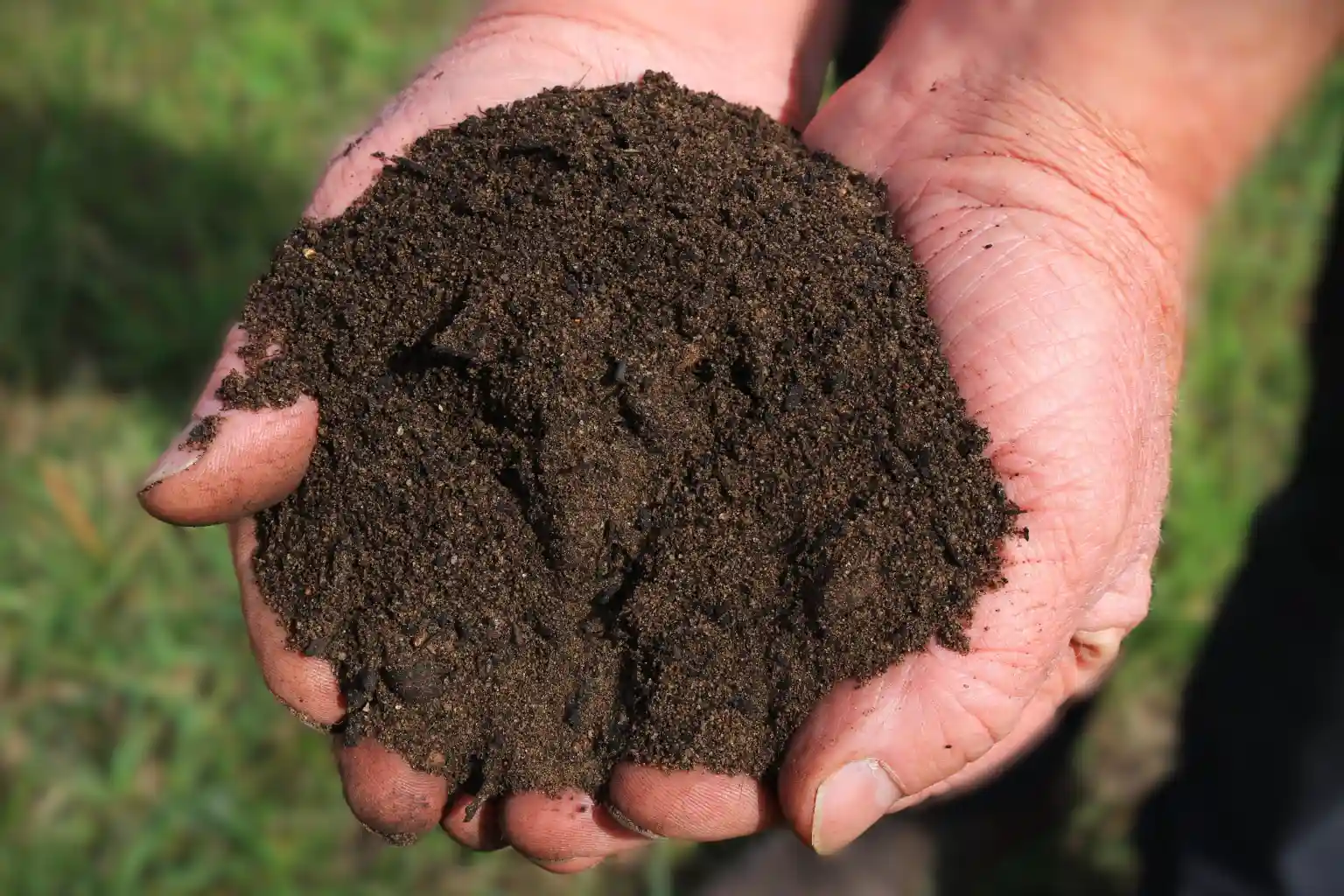
Topsoil is the upper layer of ground, dug up and sold mostly as is. The best batches are loam, a balanced blend of sand, silt, and clay that holds water but still drains well enough for roots to breathe.
Here’s the catch. According to Michigan State University Extension, there is no regulated definition of “topsoil.” It’s simply whatever soil sat on the surface where it was dug. MSU also warns that very black soil isn’t automatically good soil, since it may have come from a wetland and carry poor structure or an off pH.
So always ask for screened topsoil. Screening filters out rocks, roots, and clods, leaving a uniform soil that spreads evenly. Unscreened costs less, but you’ll spend the savings cleaning it up on site.
What Makes Garden Soil Different
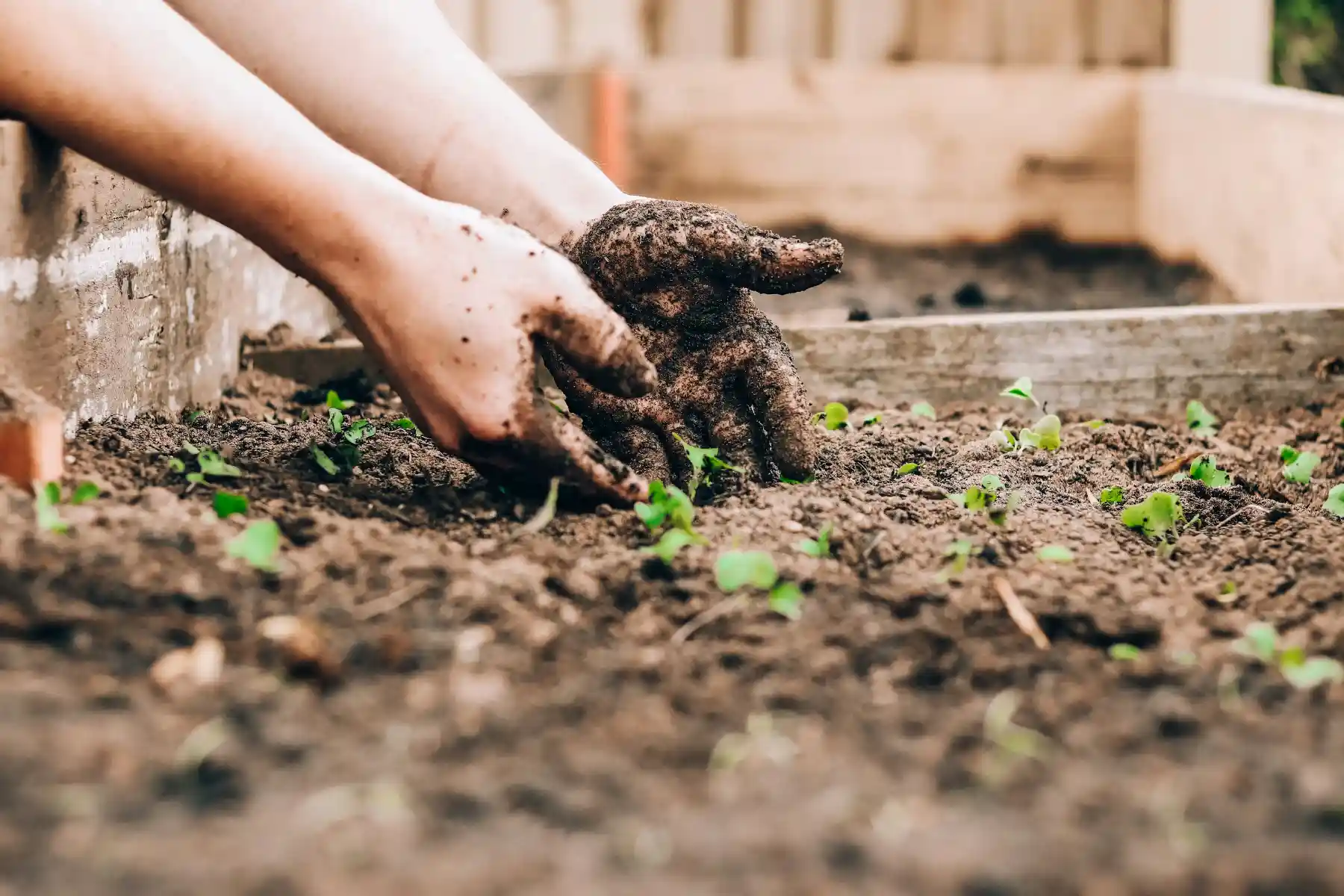
Garden soil starts as topsoil, then gets blended with compost and other organic matter. That’s what gives it a lighter, crumbly texture and the nutrients young roots need. It works on the same principle we cover in our guide to compost for lawns: compost feeds the soil life, and soil life feeds your plants.
The trade-off is price. You pay for those amendments, and because compost keeps breaking down, planted beds need a fresh top-up every season or two.
Topsoil vs Garden Soil Side by Side
| Topsoil | Garden Soil | |
|---|---|---|
| What it is | Natural surface soil, sold mostly as dug | Topsoil blended with compost and organic matter |
| Texture | Heavier and denser | Lighter and looser |
| Nutrients | Low to moderate, varies by source | Higher, added on purpose |
| Weed seeds | Always some | Varies by blend |
| Bulk price (2026) | $25 to $50 per yard (screened) | $40 to $75 per yard (blended) |
| Best for | Filling, grading, lawn base | Flower beds and vegetable gardens |
Price ranges from YardCalc’s 2026 topsoil cost guide. Local prices vary by region and delivery distance.
When to Use Topsoil vs Garden Soil
Jobs Where Topsoil Is the Right Call
Use topsoil when the goal is shape, not feeding. Filling low spots, grading soil away from your foundation, leveling bumpy ground, and building a base for new grass all belong here. Garden soil is wasted money in these spots, because its organic matter breaks down and the ground settles as it does.
For new lawns, topsoil is the standard base layer. Our sod installation guide recommends about 3 cubic yards per 1,000 square feet before the first roll goes down.
Jobs Where Garden Soil Pays Off
Anywhere roots will live long term, garden soil earns its price. Think vegetable plots, flower beds, and planting holes for new shrubs.
Mix it into the top 6 to 8 inches of your existing ground instead of just piling it on top. Otherwise roots hit a hard layer of native dirt and stop spreading. And once plants are in, the next layer is mulch, not more soil. Our mulch vs soil breakdown explains why.
One thing garden soil isn’t for: pots and containers. It’s too heavy and drains poorly in a closed container, where potting mix does the job better.
Topsoil and Garden Soil in Raised Beds
Raised beds are where people blend both, and extension experts don’t all agree on one ratio. Iowa State University Extension suggests roughly 70% topsoil and 30% compost. Ask Extension experts recommend 2 parts topsoil to 1 part compost. The University of Maryland Extension takes another route: fill with compost and a soilless mix, and keep topsoil to 20% or less in beds at least 16 inches deep.
Our take? For most home beds, a 2:1 topsoil to compost blend is a reliable starting point. Add an inch or two of fresh compost each spring and the bed stays productive for years.
Buying Topsoil vs Garden Soil Locally
Bagged vs Bulk: Where the Math Flips
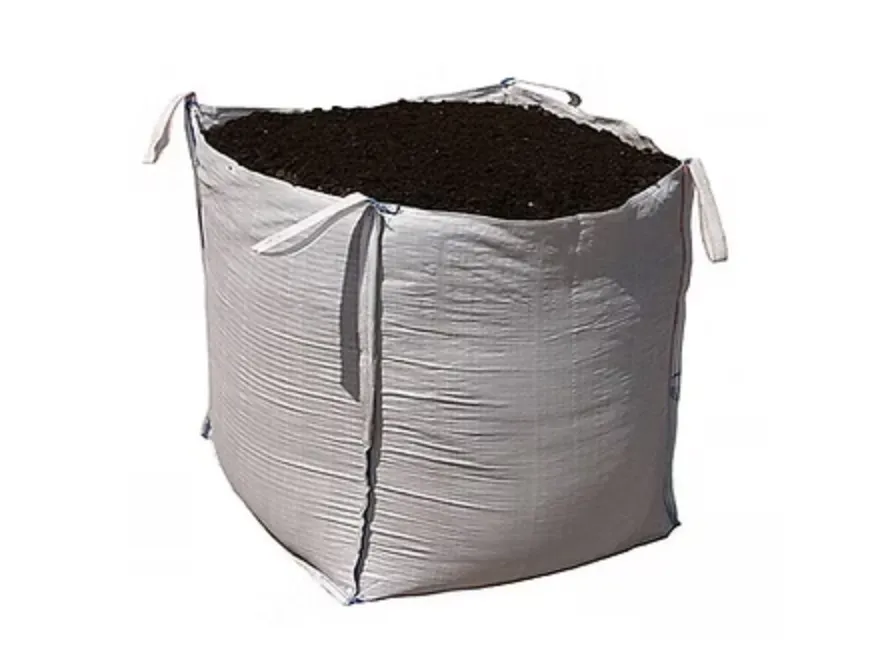
A standard 40 lb bag holds about 0.75 cubic feet, which means one cubic yard equals roughly 36 bags. Lawnmasters’ cost data puts bagged topsoil at the equivalent of $54 to $162 per cubic yard, several times what a bulk supplier charges for the same volume.
The rule is simple. Bags make sense for a few planters or a small bare patch. Once you need more than half a yard, call a local landscape supplier, since delivery fees usually still leave you ahead.
How to Check Soil Before You Pay
MSU recommends buying one bag first, or visiting the supplier’s yard before ordering a truckload. Grab a handful. Good soil smells earthy, crumbles when squeezed, and has no concrete chunks, plastic, or large rocks. A sour or chemical smell is a red flag.
Want to know what you’re really buying? Try the ribbon test from Colorado State University Extension to estimate clay content by feel. Before planting anything important, get a soil test. Mississippi State University Extension walks through taking a proper sample, and your county extension office can process it for a small fee.
How Much Topsoil or Garden Soil Do You Need?
Use this formula:
Length (ft) × Width (ft) × Depth (inches) ÷ 324 = cubic yards
Example: a 10 × 12 foot bed filled 6 inches deep needs 720 ÷ 324, or about 2.2 cubic yards. Add roughly 10% for settling and order 2.5.
Topsoil vs Garden Soil FAQs
Is topsoil or garden soil better for grass seed?
Topsoil. It’s firmer and settles less, which keeps your new lawn level. If your soil is poor, rake a thin layer of screened compost into the surface before seeding.
Can I plant vegetables directly in topsoil?
You can, but most vegetables will struggle unless it’s rich loam. Blend in compost first, aiming for about a third of the total volume.
Is garden soil the same as potting soil?
No. Garden soil contains real soil and belongs in the ground. Potting soil is a lightweight, often soilless mix built for containers.
Why is my new topsoil full of weeds?
MSU notes that all topsoil carries some weed seeds, and no supplier can fully remove them. Pull seedlings while they’re small and mulch planted beds to stop new ones.
Is bulk topsoil cheaper than bags?
Almost always, once you need more than half a cubic yard.
The Bottom Line
- Topsoil builds, fills, and levels. Garden soil feeds roots.
- Raised beds do best with a blend, around 2 parts topsoil to 1 part compost.
- Past half a yard, buy bulk, and inspect the soil before the truck shows up.
Grab a tape measure, run the formula above, and get quotes from two local suppliers before you order. The right soil for the job costs less than fixing the wrong one next season.
About Author
Khalid Fazal is a seasoned lawn care specialist and horticultural researcher with over 15 years of hands-on experience transforming challenging landscapes into lush, resilient green spaces. His journey didn’t start in a lab, but in a backyard full of stubborn, cracked clay that “experts” said would never grow a healthy blade of grass. Refusing to accept a yard full of dust, Khalid spent years experimenting with organic soil restoration and precise mulching, eventually turning that wasteland into a neighborhood showpiece on a shoestring budget.
From mastering core aeration techniques to optimizing soil pH for specialized turf varieties, Khalid’s approach combines old-school grit with modern agronomic science. He founded Gen Lawn to provide homeowners with honest, research-backed advice that prioritizes long-term soil health over quick-fix chemical solutions. When he isn’t analyzing soil profiles, he’s developing precision tools to help others achieve professional results without the professional price tag.
Cost of Synthetic Grass Per Square Foot (2026 Pricing Guide)
Table of Contents Home / By Khalid Fazal | Updated:...
Read More
Artificial Turf Installation Cost: $10-$20/sq ft [2026 Data]
Table of Contents Home / By Khalid Fazal | Updated:...
Read More
Soil Amendments for Lawn: Which One You Need (By Region)
Table of Contents Home / By Khalid Fazal | Updated:...
Read More
Topsoil vs Garden Soil: Which One to Buy [2026 Price Guide]
Table of Contents Home / By Khalid Fazal | Updated:...
Read More