
Soil Amendments for Lawn: Which One Your Soil Actually Needs (By Problem and Region)
Soil amendments for lawn are materials you mix into or spread over your soil to fix its structure, drainage, or pH so grass roots can grow deeper and absorb nutrients. Unlike fertilizer, which feeds the grass, amendments fix the ground the grass grows in. The right one depends on your soil problem, confirmed by a soil test:
- Compost for compacted clay, fast-draining sand, or low organic matter
- Lime for acidic soil with a pH below about 6.0
- Sulfur for alkaline soil with a pH above about 7.5
- Gypsum only for sodium-heavy or heavily weathered clay soil
That’s why a lawn can stay thin, yellow, or patchy even when you fertilize on schedule, water deeply, and overseed every fall. Fertilizer can’t fix soil that’s packed too tight, drains too fast, or has the wrong pH.
But picking the right amendment is where most homeowners go wrong. The most popular “clay fix” in the garden aisle does nothing for most clay lawns, and one common DIY trick can turn your soil into something closer to concrete. Before you spend a dollar, here’s how to read what your yard is telling you and match it to the fix that actually works.

What Soil Amendments for Lawn Actually Do
Soil Amendments for Lawn vs. Fertilizer
Colorado State University Extension defines a soil amendment as any material added to soil to improve its physical properties, such as water retention, drainage, aeration, and structure. The goal is a better environment for roots. Fertilizer has a different job: it supplies nutrients.
The two work together, but one can’t replace the other. If your soil pH is off, nutrients get locked up and fertilizer seems to stop working no matter how much you apply. Lime and sulfur are amendments too, even though they change soil chemistry rather than structure.
Signs Your Lawn Needs Soil Amendments
Your lawn usually tells you what’s wrong. Water that pools or runs off instead of soaking in points to compaction or heavy clay. If standing water is a regular problem, this guide to yard drainage fixes covers the bigger solutions.
Try the pen test from the University of Wisconsin Extension: if you can’t push a pen into dry soil, the ground is compacted. Dig up a small section of turf and look at the roots too. According to North Dakota State University Extension, roots stuck in the top couple of inches or growing sideways are a classic compaction symptom.
In drier states, look at the soil surface. A white crust suggests excess salts, while a dark, powdery crust with poor drainage can signal sodic soil, meaning soil with too much sodium. Grass that stays yellow after feeding often points to a pH problem.
Test Your Soil Before You Buy Any Amendment
This is the step most homeowners skip, and it’s the one that decides whether your money works. Your state’s land-grant university runs a low-cost soil testing lab through its Cooperative Extension office. You can find your state’s Extension service here.
Sampling is easy. Clemson Extension, for example, asks for 8 to 10 small cores taken 2 to 4 inches deep from the lawn, mixed together in a clean bucket. The report shows your pH, your nutrient levels, and exactly how much lime to apply per 1,000 square feet.
Ask for organic matter content too. In the arid West, also request EC (a salt reading) and SAR (a sodium reading). If you want a free read on soil texture while you wait for results, NDSU’s ribbon test tells you whether you’re dealing with sand, loam, or clay using nothing but a pinch of damp soil.
Types of Soil Amendments for Lawn, Matched to the Problem
Compost: The Best All-Around Soil Amendment for Lawn
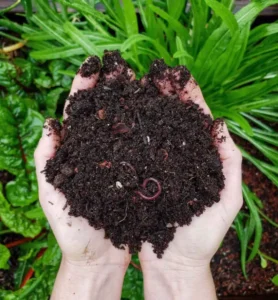
If you only use one amendment, make it compost. The EPA notes that compost reduces soil density and compaction, raises organic matter, and improves both water infiltration and water holding. That means it helps clay drain and helps sand hold moisture.
Quality varies wildly, though. CSU recommends compost with 40% to 60% organic matter and warns that manure-based products are often high in salts. Plant-based compost is usually the safer pick, and fresh manure should never go on a lawn. For a quality shortcut, look for compost carrying the US Composting Council’s Seal of Testing Assurance, which means the producer tests for salts, maturity, pathogens, and metals.
For step-by-step application, timing, and product picks, see our full guide to compost for lawns.
Lime for Acidic Lawn Soil
Soil pH runs from 0 to 14, with 7 as neutral and anything below 7 counted as acidic. Most turfgrasses do best between 6.0 and 6.5. Centipedegrass is the exception and prefers 5.5 to 6.0.
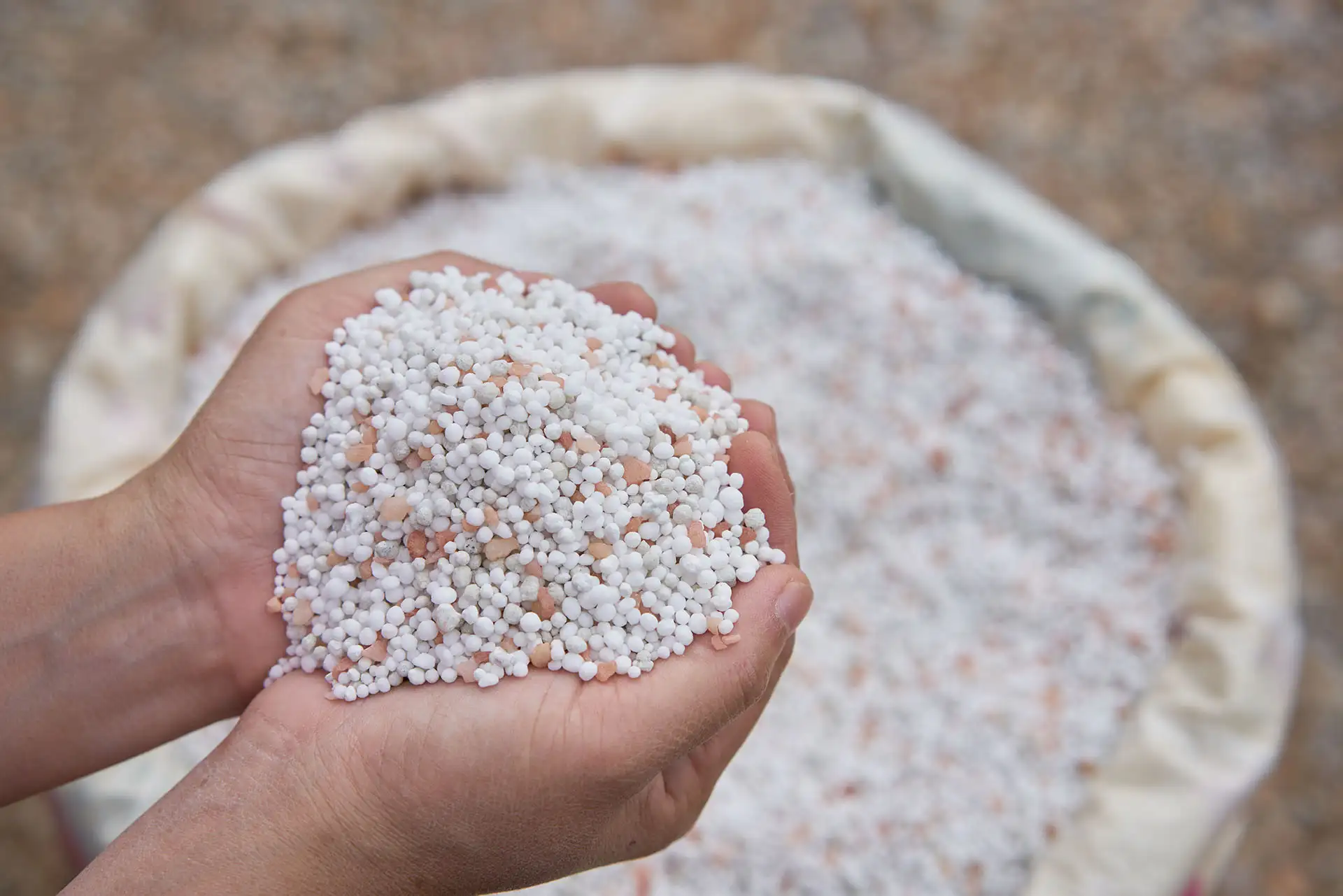
Lime raises pH, but it works slowly and needs moisture to react. Pelletized lime is the easiest to spread on lawns and can go right on the surface. Clay soils also need more lime than sandy soils to shift pH by the same amount, which is exactly why guessing fails.
Here’s the thing: Clemson warns that adding lime without a test can create nutrient imbalances, because some soils already sit in the right range. Apply lime only when your report calls for it, ideally in fall or winter so it has months to work.
Sulfur for Alkaline Lawn Soil
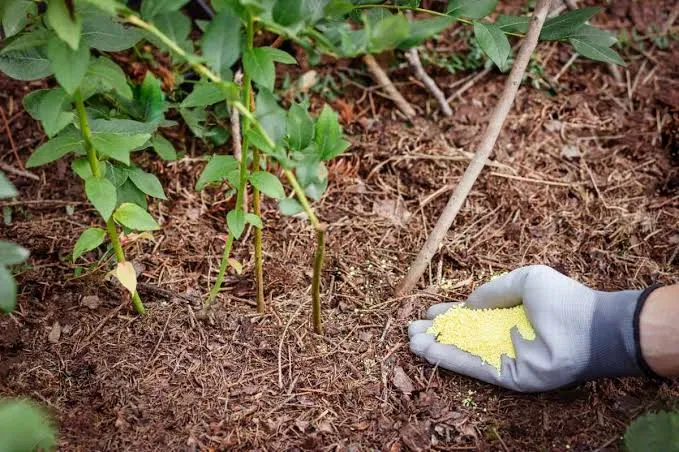
Elemental sulfur lowers pH gradually because soil bacteria must first convert it, and that can take several months. Aluminum sulfate works faster but carries a real risk of root injury. Clemson specifically advises caution when using acidifiers on lawns.
Be realistic in naturally alkaline regions. In much of the Plains and the West, the soil is full of free lime and resists change. NDSU’s advice for lawns with pH above 7 is to grow adapted grass species rather than fight the chemistry. Yellowing in these lawns is often iron chlorosis, which an iron-containing fertilizer handles better than sulfur.
Gypsum: Only for Sodic or Heavily Weathered Clay
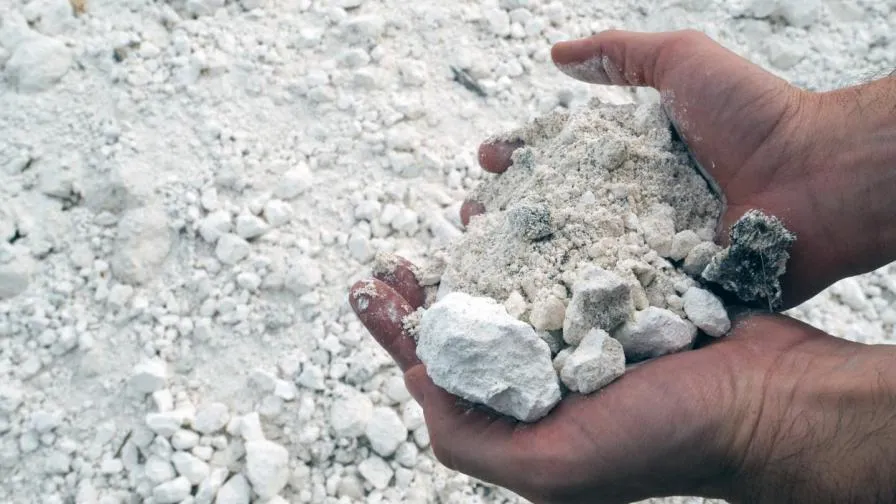
Gypsum is the most oversold amendment in the garden aisle. Washington State University horticulturist Linda Chalker-Scott’s review of the research found that gypsum improves sodium-rich soils and heavily weathered clay, like the soils common in the Southeast. Outside those cases, it does little for soil structure, doesn’t change pH, and its effects often fade within months.
So when does it make sense? When a soil test shows high sodium. NDSU lists rates from 20 to 200 pounds per 1,000 square feet depending on the sodium reading, and gypsum only works if water can drain through and flush the sodium out. For ordinary compaction, aeration and compost do the job better.
Biochar, Humates, and Other Soil Conditioners
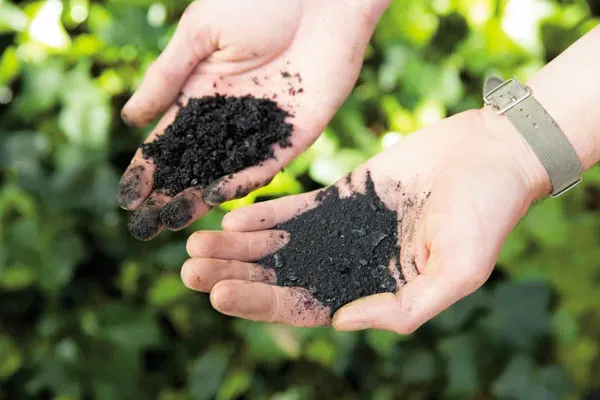
Biochar is a fine charcoal made by heating organic material with no oxygen. According to WSU Extension, it improves aeration in compacted soil and water holding in sandy soil, and it raises pH, which turfgrass tolerates well. It can also cause waterlogging in heavy clay and temporarily tie up nitrogen, so stick with commercial products and apply modestly.
Humates, sold as humic acid, are trickier. A University of Wisconsin review found very little turfgrass research supporting them. They’re considered harmless at label rates but not worth more than a small trial. Treat them as an extra, never a fix.
| What you see | Amendment | What it does | When to apply |
|---|---|---|---|
| Hard ground, water runs off | Core aeration + compost | Opens pores, builds structure | Fall (cool-season) or early summer (warm-season) |
| Sandy soil that dries out fast | Compost, biochar | Holds water and nutrients | After aeration or before seeding |
| pH below about 6.0 | Lime (per soil test) | Raises pH, frees nutrients | Fall or winter |
| pH above about 7.5 | Sulfur, or adapted grasses | Lowers pH slowly | Small, split doses per soil test |
| Sodium crust, severe ponding in dry climates | Gypsum + better drainage | Replaces sodium with calcium | Per soil test, where water can drain |
| Low organic matter | Compost top-dressing | Feeds soil life | Once or twice a year |
Best Soil Amendments for Lawn by US Region
Where you live shapes your soil before you ever touch it. Clemson explains that heavy rainfall leaches calcium and magnesium out of the soil, which is why wet regions trend acidic while dry regions trend alkaline. Use this table as a starting point, then let your soil test confirm it, since construction fill can make any yard an exception.
| Region | Typical soil | Common problem | Go-to amendment |
|---|---|---|---|
| Southeast | Red clay, acidic | Compaction, low pH | Lime by test, compost after aeration |
| Midwest and Northeast | Clay loams, often acidic under high rainfall | Compaction, low organic matter | Compost, lime by test |
| Great Plains | Often alkaline, some salty spots | High pH, iron yellowing, salts | Compost, adapted grasses, gypsum only for sodium |
| Southwest and Mountain West | Alkaline, clayey or rocky | High pH, salts | Low-salt plant-based compost, drainage |
| Florida and coastal plains | Sandy, low organic matter | Drains fast, leaches nutrients | Compost every year, biochar |
| Pacific Northwest | Acidic, heavy clay in valleys | Low pH, wet clay | Lime by test, compost |
Soil Amendments for Clay Lawns
Compost and core aeration are your tools. Never add sand. NDSU warns that sand mixed into clay creates a structure similar to cement, and Oregon State University Extension notes that no amount of sand will change clay’s texture. OSU also points out that clay stays clay forever, so organic matter needs to go down at least once a year to keep the improvement.
Soil Amendments for Sandy Lawns
Sand’s problem is the opposite: water and nutrients drain straight through. UF/IFAS Extension recommends organic matter to improve how well soil holds water and nutrients. In hot, humid climates it breaks down quickly, so plan on repeat applications. Sandy soils rarely compact, so aeration is less important here.
Soil Amendments for Alkaline and Salty Lawns
In the dry West, choose plant-based compost over manure-based products to avoid adding more salt. NDSU puts it bluntly: no amendment neutralizes salty soil, because salts build up from poor drainage and high water tables. Fix drainage first, and use gypsum only when a test confirms sodium.
Soil Amendments for Acidic Lawns
For the Southeast, Northeast, and Pacific Northwest, lime is the main correction, applied strictly by soil test. Retest every year or two, because regular watering and nitrogen fertilizer push pH back down over time.
How to Apply Soil Amendments for Lawn
Established Lawns: Aerate First, Then Top-Dress
Start with core aeration. The University of Maryland Extension recommends a machine that pulls plugs about 1/2 to 3/4 inch wide and 2 to 4 inches deep, on soil that is moist but not wet. Skip spike aerators, which actually increase compaction. For exact timing by grass type, see our guide on [when to aerate your lawn][ADD INTERNAL LINK: aeration timing guide URL].
Then spread a thin layer of compost, 1/4 to 1/2 inch at most. The UW Extension top-dressing guidelines add a rule worth following: keep at least half of the grass blade visible, or you risk smothering the lawn. Rake the compost into the aeration holes and water it in.
The fresh holes also give lime or gypsum a direct path into the root zone. If your soil test calls for either, spread it right after aerating.
New Lawns: Amend Before You Seed or Sod
This is your one chance to fix soil deeply, so use it. CSU recommends working 1 to 2 inches of compost into the top 6 inches of soil for a new lawn. NDSU adds that topsoil should be at least 6 inches deep, and that a thin layer of good soil over poor soil creates layering that traps roots near the surface.
If you’re buying topsoil, know what you’re getting, because “topsoil” has no legal definition. Once the ground is ready, follow our guide to compost for lawn seeding.
How Much Soil Amendment Do You Need?
The math is simpler than it looks. According to CSU, 3 cubic yards of compost covers 1,000 square feet about 1 inch deep. That works out to roughly 0.75 cubic yards per 1,000 square feet for a 1/4 inch top-dressing, 1.5 cubic yards for 1/2 inch, and about 6 cubic yards for 2 inches on a new lawn.
For a typical 5,000 square foot yard, a 1/4 inch top-dressing takes about 4 cubic yards. Plug your own measurements into the [GenLawn Mulch Calculator][ADD INTERNAL LINK: calculator URL] for an exact number. For lime, sulfur, and gypsum, follow the per-1,000-square-foot rates on your soil test report.
Mistakes That Make Lawn Soil Worse
Sand on clay tops the list, and it can’t be undone. Liming “just in case” comes next, since raising pH too high locks up nutrients as badly as low pH does.
Watch the materials themselves too. Salty manure-based compost is a real problem in dry climates, and topdressing too thick can bury grass. Finally, don’t expect one application to fix clay. Soil improves in rounds, season after season.
Soil Amendments for Lawn: Frequently Asked Questions
What is the best soil amendment for lawn grass?
For most lawns, finished compost is the best all-around choice because it improves both clay and sandy soils. If your soil test shows the pH is off, lime or sulfur comes first, because no amount of compost fixes a pH problem.
When is the best time to add soil amendments to a lawn?
Apply them when your grass is actively growing so it recovers quickly. That means fall for cool-season grasses and late spring to early summer for warm-season grasses. Lime is best applied in fall or winter so it has months to react before spring.
Can I put compost on top of my existing lawn?
Yes. Aerate first, then spread 1/4 to 1/2 inch of screened, finished compost and rake it into the holes. Keep at least half of each grass blade visible so the lawn doesn’t get smothered.
How long do soil amendments take to work on a lawn?
It depends on the amendment. Compost improvements build steadily over several seasons, while lime and elemental sulfur usually need a few months to change pH. Gypsum works faster on sodium-rich soils, but its effects can fade within months, so retest before reapplying.
Is gypsum or lime better for clay soil?
They do different jobs. Lime raises pH in acidic soil, while gypsum removes sodium and has no effect on pH. For typical compacted clay without a sodium problem, core aeration plus compost beats both.
The Bottom Line
- Test your soil before buying anything. It’s cheap, and it keeps you from fixing the wrong problem.
- Compost is the best all-around soil amendment for lawn, for both clay and sand.
- Use lime and sulfur only when your soil test calls for them.
- Gypsum is for sodic or heavily weathered clay, not ordinary compaction.
- Aerate before you top-dress, and never add sand to clay.
This week, order a soil test from your local Extension office. When the results arrive, match them to the table above and start with the one amendment your soil actually needs.
About Author
Khalid Fazal is a seasoned lawn care specialist and horticultural researcher with over 15 years of hands-on experience transforming challenging landscapes into lush, resilient green spaces. His journey didn’t start in a lab, but in a backyard full of stubborn, cracked clay that “experts” said would never grow a healthy blade of grass. Refusing to accept a yard full of dust, Khalid spent years experimenting with organic soil restoration and precise mulching, eventually turning that wasteland into a neighborhood showpiece on a shoestring budget.
From mastering core aeration techniques to optimizing soil pH for specialized turf varieties, Khalid’s approach combines old-school grit with modern agronomic science. He founded Gen Lawn to provide homeowners with honest, research-backed advice that prioritizes long-term soil health over quick-fix chemical solutions. When he isn’t analyzing soil profiles, he’s developing precision tools to help others achieve professional results without the professional price tag.
Cost of Synthetic Grass Per Square Foot (2026 Pricing Guide)
Table of Contents Home / By Khalid Fazal | Updated:...
Read More
Artificial Turf Installation Cost: $10-$20/sq ft [2026 Data]
Table of Contents Home / By Khalid Fazal | Updated:...
Read More
Soil Amendments for Lawn: Which One You Need (By Region)
Table of Contents Home / By Khalid Fazal | Updated:...
Read More
Topsoil vs Garden Soil: Which One to Buy [2026 Price Guide]
Table of Contents Home / By Khalid Fazal | Updated:...
Read More