Best Time to Lay Zoysia Sod (And the One Mistake That Costs You the Whole Lawn)
The best time to lay zoysia sod is late spring to early summer, when soil temperatures are consistently above 65°F. For most of the US, that means May through June.
But here is the thing most guides skip over: zoysia roots slower than almost every other sod grass on the market. It needs 6 to 8 full weeks of warm weather just to anchor properly into the ground. Miss that window on either end, and you are paying for sod that either freezes before it roots or burns up before it can drink.
This guide covers everything you need in one place. You will learn the exact timing by US region, what soil conditions to check before ordering, how to prep the ground correctly, and what to do week by week after laying so your lawn actually makes it.
Why Timing Matters More With Zoysia Than Any Other Sod
Zoysia Is a Warm-Season Grass and It Acts Like One
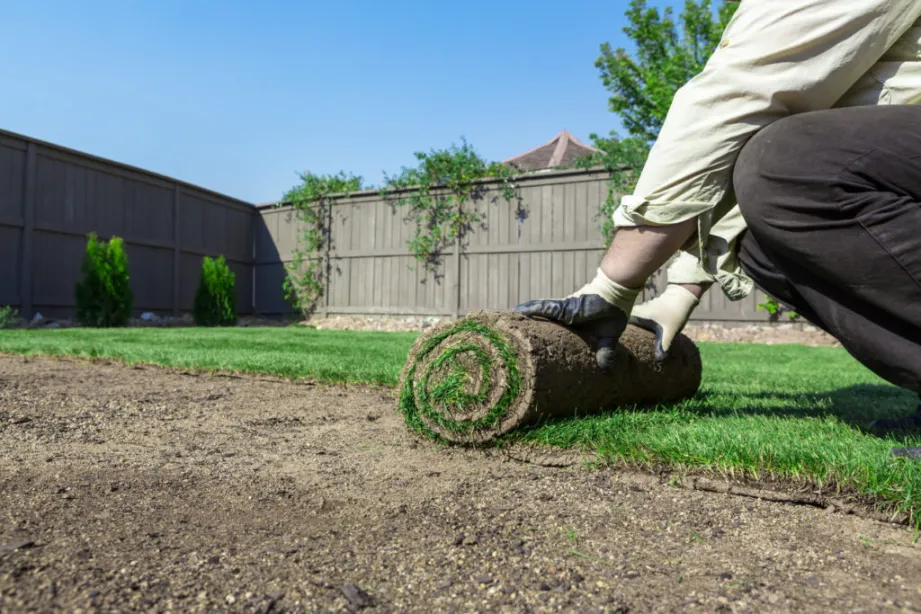
Zoysia grass grows actively in heat and shuts down when soil temperatures drop below 55°F. During its growing season, it spreads through both underground runners called rhizomes and above-ground runners called stolons. Over time, this creates the dense, thick carpet that zoysia is known for.
Here is what separates zoysia from grasses like bermuda: it roots significantly slower. Bermuda can anchor itself in 2 to 3 weeks. Zoysia typically needs 6 to 8 weeks to develop a solid root system. That is not a defect. That is just how the grass works. And it makes timing your installation more important than it would be with almost any other grass type.
What Happens If You Lay Zoysia at the Wrong Time
Too early in the season (cold soil): Freshly laid zoysia will not root in cold soil. The grass just sits there without establishing, and it becomes vulnerable to fungal disease and frost damage. You will notice yellowing, patchy areas, and extremely slow or no growth.
Too late in the season (approaching fall): This is the most common and most expensive mistake homeowners make. If you lay zoysia sod when fall is approaching, the grass will go dormant before it has had time to anchor into the soil. The roots never develop properly. Winter then kills the sod entirely, and you are left with dead patches across the entire lawn in spring.
Walter Reeves, a respected Georgia horticulturist, puts it plainly: laying zoysia in September in the transition zone is a real gamble, and it is not unusual to see significant winter kill with many dead spots come spring.
Getting the timing right gives zoysia the full growing season it needs to lock in and thrive.
The Best Time to Lay Zoysia Sod
Late Spring Is the Ideal Window (May to June)
Late spring is the best time to lay zoysia sod across most of the United States. This window works for several reasons working together:
Soil temperatures are consistently holding above 65°F, which is the minimum zoysia needs to begin rooting into the ground beneath it.
The full summer growing season is still ahead. That gives the grass its full 6 to 8 week establishment window with warm weather to spare before any autumn cooling begins.
Spring rainfall in many US regions also reduces how much irrigation you need to manage on your own during those critical first few weeks.
According to Kansas State University Extension, May is the best month for zoysia planting in most growing zones. Sod can be laid a bit later in the season, but only if enough warm growing time remains before the first frost for the roots to knit properly into the soil.
Early Summer Works Too, But You Need a Solid Watering Plan
If May passes you by, June and even early July can still work in most regions. The stakes are just a bit higher.
Summer heat puts stress on newly laid sod that has not yet rooted. The grass cannot pull moisture from the ground the way established sod can. It depends entirely on the water you apply from above.
If you install in early summer, plan for twice-daily watering during the first two weeks when temperatures are consistently above 90°F. Also make sure your sod is fresh on delivery day. Sod that was cut more than 24 hours before arrival and has been sitting in heat without protection will already be stressed before it ever hits your soil.
What About Fall or Winter Installation?
Fall installation is not recommended for most of the United States.
Zoysia needs roughly 8 weeks of warm growing weather after being laid to build a solid root system. If you install in late August or September in most regions, you are cutting that window dangerously short. The grass enters dormancy before it can anchor, and winter will kill it.
The only exception is the Deep South, specifically USDA Hardiness Zones 9 and 10. Think south Florida, coastal Texas, and southern Louisiana. In these areas, winters are mild enough that dormant-season installation is possible. Just know that your lawn will not show signs of green-up until the following spring.
Best Time to Lay Zoysia Sod by US Region
Not everyone is working in the same climate. Here is a clear regional breakdown so you know exactly where your window falls.
| Region | States | Best Install Window | Soil Temp Target |
|---|---|---|---|
| Southeast and Gulf Coast (Zones 8 to 10) | Florida, Georgia, Alabama, coastal Texas, Louisiana | March through July | 65 to 85°F |
| Mid-Atlantic and Transition Zone (Zones 7a to 7b) | Virginia, North Carolina, Tennessee, Arkansas | May to mid-June | 65 to 75°F |
| Upper South and Midwest (Zones 6a to 6b) | Missouri, Kansas, parts of Oklahoma | Late May to early June | 65 to 70°F minimum |
| Deep South only (Zones 9 to 10) | South Florida, coastal Mississippi, southern Louisiana | Year-round possible; spring preferred | 65°F or above |
Note for transition zone homeowners (Zone 6 to 7): This is where zoysia becomes tricky to establish. Your window is short, summer arrives fast, and fall cooling comes earlier than it does further south. If you live in this zone, May is your target month and mid-June is your firm cutoff. After that, the risk of incomplete rooting before dormancy rises sharply.
What to Check Before You Lay Zoysia Sod
Check Soil Temperature First
Do not guess at this. A soil thermometer costs around $10 to $15 at any garden center and takes 30 seconds to use.
Push it 2 inches into the ground in the morning, when readings are most accurate. Your target is 65°F at a minimum. At 70°F or above, zoysia will root even faster.
If the reading is below 65°F, wait. Laying sod on cold soil is one of the leading reasons new zoysia lawns fail. The grass will not root until the ground is warm enough to support biological activity. Patience here saves you hundreds of dollars.
Check Your 5-Day Weather Forecast
Review the forecast before scheduling your sod delivery. You are looking for:
No frost risk in the next 8 weeks. This is non-negotiable.
No heavy rain in the first 48 to 72 hours after installation. Heavy rainfall on freshly laid sod before it roots can shift pieces, flood seams, and cause fungal issues.
No extreme heat spike above 100°F within the first few days. Before the roots can drink from the soil, the sod relies entirely on surface moisture. A severe heat blast right after installation can dry it out faster than you can irrigate.
Mild, partly cloudy conditions for the first few days after laying are ideal.
Prepare Your Soil Before Anything Goes Down
This is where most homeowners cut corners and regret it later. Zoysia sod can only root as well as the soil beneath it allows. If the ground is compacted, poorly graded, or at the wrong pH, your sod will struggle regardless of perfect timing.
Here is what soil prep looks like before installation:
Step 1: Clear the area completely. Remove all old grass, weeds, rocks, and debris. Any living material left beneath new sod can compete with roots or cause disease.
Step 2: Till the soil 4 to 6 inches deep. This breaks up compaction and gives zoysia roots room to grow downward. Compact soil is one of the main reasons new lawns develop shallow roots and fail in drought.
Step 3: Test your soil pH. Zoysia performs best in soil with a pH between 6.0 and 7.0. Your local cooperative extension office can run a test for a small fee, and results will tell you exactly what amendments you need. Do not skip this step. Laying sod in soil with the wrong pH means the grass cannot absorb nutrients properly no matter how well you water.
Step 4: Add amendments and grade the surface. If your pH test shows acidic soil, add lime. If it is too alkaline, add sulfur. Then grade the surface so it slopes gently away from your home for drainage. Take your time here because bumps and low spots will be visible permanently through the sod.
Step 5: Pre-water the soil the night before installation. The ground should be moist about 2 to 3 inches down when the sod arrives. Not muddy, just damp. Dry soil pulls moisture out of the sod too fast before roots develop.
For a full walkthrough on what to do on installation day, our Sod Installation DIY Guide has you covered step by step.
How to Actually Lay Zoysia Sod Correctly
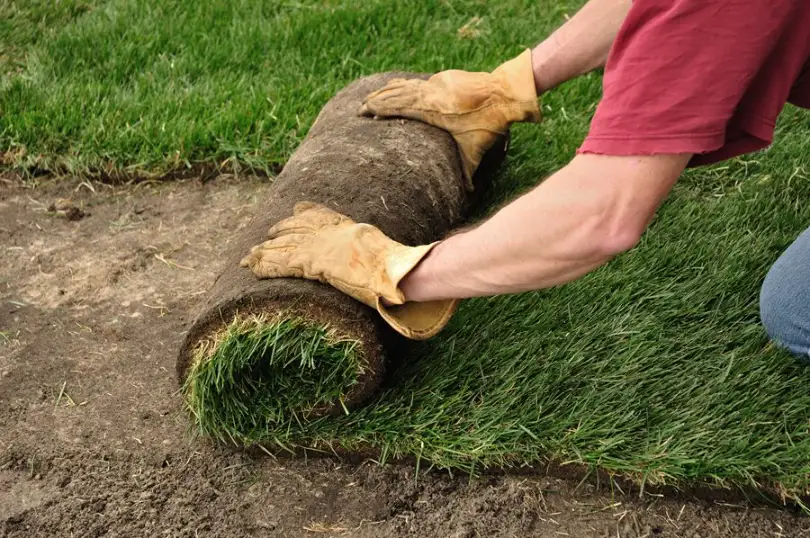
Once soil is prepped and your timing is right, here is how to lay the sod properly:
Start along a straight edge. A driveway, sidewalk, or fence line works well. Work outward from that line in rows.
Stagger your seams like brickwork. Never align the joints of adjacent rows. Straight seams stay weak, gap out as sod settles, and are very difficult to repair cleanly.
Press each piece firmly against the soil. Air pockets between the sod and ground prevent rooting. Use your hands or a sod roller to press pieces flat as you go.
Cut pieces to fit edges precisely. Use a sharp sod knife or garden spade. Do not stretch sod to fill gaps, as stretched sod dries out faster and roots poorly.
Water each section as you lay it. Do not wait until the entire yard is finished. Fresh sod begins losing moisture within minutes in warm weather. Watering each section as you complete it prevents the first rolls from drying out while you finish the rest.
Roll the entire lawn after installation. A sod roller pressed across the full surface ensures tight soil contact everywhere.
The First Six Weeks After Laying: Week by Week Guide
The establishment phase is what actually determines whether your lawn survives. A lot of people do the installation right and then lose the sod because they do not know what comes next.
Week 1 and 2: Daily Watering Is Critical
Water your new zoysia sod every single day during the first two weeks. If temperatures are above 90°F, water twice daily, once in the early morning and once in the late afternoon.
Your goal is to keep the soil moist 3 to 4 inches below the sod at all times. You can check this by lifting a small corner of the sod and pressing your finger into the soil beneath. If it feels dry at 3 inches, water more.
Pay extra attention to the edges and seams between sod pieces. These areas dry out faster than the middle and are where you will see the first signs of stress.
For exact sprinkler run times and zone-by-zone guidance on new sod watering, see our guide on how long to water new sod with a sprinkler.
Week 3 and 4: Scale Back Watering to Build Deeper Roots
Around week 3, drop from daily watering to every other day.
This is intentional. When the soil dries out slightly between waterings, the roots are forced to grow deeper in search of moisture. That creates a stronger, more drought-tolerant lawn over the long term. Overwatering at this stage keeps roots shallow and dependent on surface moisture.
Week 5 and 6: Once Per Week, Deep Watering
By weeks 5 and 6, your sod should be well-anchored. Switch to once-weekly deep watering sessions, giving the lawn about 1 inch of water in a single session. Deep and infrequent watering is the correct long-term approach for established zoysia.
The Tug Test: Know When Your Sod Is Rooting
On day 9 after installation, go out and gently pull up a corner of the sod. If you feel resistance and can see small white roots reaching into the soil beneath, your sod is anchoring. If it lifts cleanly with no resistance and no roots visible, check again a few days later and increase watering slightly.
Mowing Your New Zoysia Sod
Wait until the grass reaches 2.5 to 3 inches tall before the first mow. This usually happens around week 3 or 4 depending on conditions. Set your mower blade high for that first cut and never remove more than one-third of the blade height in a single mowing session.
Foot Traffic After Installation
Stay off the new lawn for the first 2 to 3 weeks. Even one pass across unrooted sod from a person or pet can pull the grass away from the soil and cause permanent damage to sections that were beginning to anchor.
When to Fertilize New Zoysia Sod
Wait a minimum of 30 days after installation before applying any fertilizer. New zoysia roots cannot handle nitrogen. Applying it too early can burn the developing root tissue and significantly set back the establishment process. Once your lawn has been in for at least a month and is rooting well, you can begin a regular feeding schedule. For the full seasonal fertilization plan, our lawn fertilization guide walks through exactly when and what to apply.
Frequently Asked Questions About Laying Zoysia Sod
What is the best month to lay zoysia sod?
May is the best single month to lay zoysia sod across most of the US. Soil temperatures have typically warmed above 65°F by then, frost risk has passed in most regions, and the full growing season still lies ahead, giving the grass plenty of time to root before fall. In the Deep South (Florida, coastal Texas, southern Louisiana), April also works well.
Can you lay zoysia sod in August?
Technically yes, but it is high risk in most regions. The intense summer heat puts a lot of pressure on sod that has not yet rooted. If you go ahead with an August install, you need to be prepared to water twice daily, source the freshest sod possible, and stay completely off the lawn for at least three weeks. Any inconsistency in irrigation during an August installation can result in sod failure.
How long does zoysia sod take to root?
Initial anchoring begins in 10 to 14 days when the sod is installed during the right conditions. Full establishment, meaning deep roots that can handle regular foot traffic and normal lawn use, takes 6 to 8 weeks. This is longer than most other warm-season grasses, which is exactly why timing the installation correctly matters so much.
Is zoysia sod better than plugs or seed?
For most homeowners, yes. Sod establishes in 4 to 6 weeks compared to a full growing season for plugs and an even longer timeline for seed. It also provides immediate coverage, suppresses weeds from day one, and is far more reliable in warm climates where heat and drought stress can kill seedlings and plugs before they establish. Many premium zoysia varieties like Zeon, Empire, and Emerald are only available as sod. For a full comparison of both options including costs, check out our Sod vs Seed guide.
What soil temperature is too cold to lay zoysia sod?
Below 60°F at 2-inch depth is too cold for zoysia sod installation. You should also avoid laying sod when daytime air temperatures are consistently below 70°F. If there is any frost risk in the next 8 weeks, hold off until conditions improve.
The Bottom Line
Zoysia sod is one of the best investments you can make in your lawn. It is dense, drought-tolerant, slow to need mowing, and builds the kind of thick, weed-resistant turf that is genuinely low maintenance once it is established.
But it rewards good timing and punishes bad timing more than almost any other grass.
Here is what to remember:
- Late spring (May to June) is your best window across most of the US
- Soil temperature must be 65°F or higher before you lay a single roll
- Zoysia needs 6 to 8 weeks of warm weather to anchor properly
- Fall installation north of Zone 8 is high risk and usually results in winter loss
- The first six weeks of watering are what actually determine whether your lawn survives
Get the timing right, prepare your soil properly, and follow the watering schedule week by week. Do those three things and you will have a healthy, established zoysia lawn that lasts for years.
Ready to move forward? See our full Sod Installation Cost guide to understand what you can expect to pay and how to get the best value on your project.
About Author
Khalid Fazal is a seasoned lawn care specialist and horticultural researcher with over 15 years of hands-on experience transforming challenging landscapes into lush, resilient green spaces. His journey didn’t start in a lab, but in a backyard full of stubborn, cracked clay that “experts” said would never grow a healthy blade of grass. Refusing to accept a yard full of dust, Khalid spent years experimenting with organic soil restoration and precise mulching, eventually turning that wasteland into a neighborhood showpiece on a shoestring budget.
From mastering core aeration techniques to optimizing soil pH for specialized turf varieties, Khalid’s approach combines old-school grit with modern agronomic science. He founded Gen Lawn to provide homeowners with honest, research-backed advice that prioritizes long-term soil health over quick-fix chemical solutions. When he isn’t analyzing soil profiles, he’s developing precision tools to help others achieve professional results without the professional price tag.
Cost of Synthetic Grass Per Square Foot (2026 Pricing Guide)
Table of Contents Home / By Khalid Fazal | Updated:...
Read More
Artificial Turf Installation Cost: $10-$20/sq ft [2026 Data]
Table of Contents Home / By Khalid Fazal | Updated:...
Read More
Soil Amendments for Lawn: Which One You Need (By Region)
Table of Contents Home / By Khalid Fazal | Updated:...
Read More
Topsoil vs Garden Soil: Which One to Buy [2026 Price Guide]
Table of Contents Home / By Khalid Fazal | Updated:...
Read More